Key Takeaways:
-
The lifespan of a roof depends on multiple factors, including material, climate, installation quality, and maintenance habits.
-
Different roofing materials have vastly different lifespans, from 20–30 years for asphalt shingles to 75–100 years for slate.
-
Regular inspections and prompt repairs can significantly extend a roof’s life and prevent costly damage.
-
Climate and weather conditions can accelerate wear, so choosing materials suited to your region is important.
-
Signs like missing shingles, leaks, sagging areas, or mold indicate it may be time to consider replacement.
-
A new roof not only protects your home but can also improve curb appeal, increase property value, and affect insurance coverage.
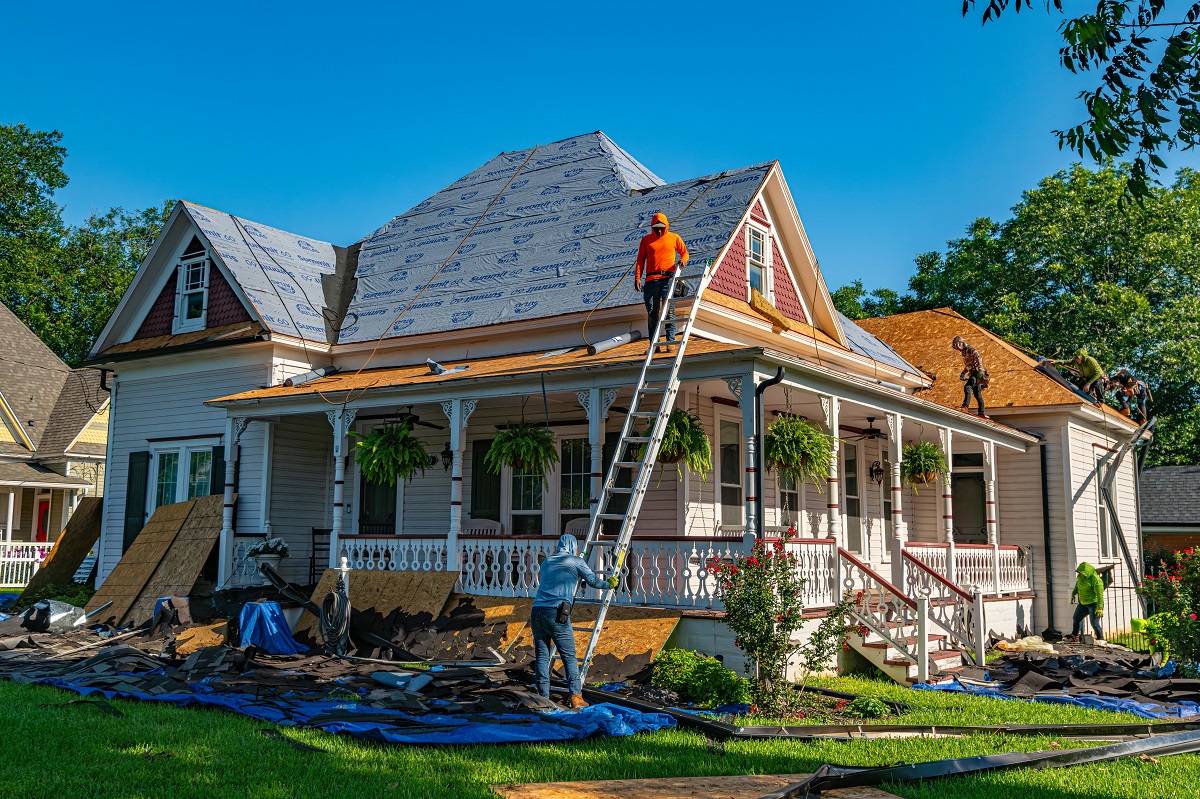
Your roof is one of the most critical parts of your home, protecting you from rain, snow, heat, and wind. Yet, most homeowners don’t think about it until there’s a problem. So, how often do roofs need to be replaced? The truth is, it depends on several factors, from the materials used to how well you maintain it. In this article, we’ll break down everything you need to know about roof lifespan, signs that it might be time for a replacement, and ways to maximize its longevity.
What Determines How Long a Roof Lasts?
Not all roofs are created equal. The lifespan of your roof can vary widely depending on several key factors:
Material:
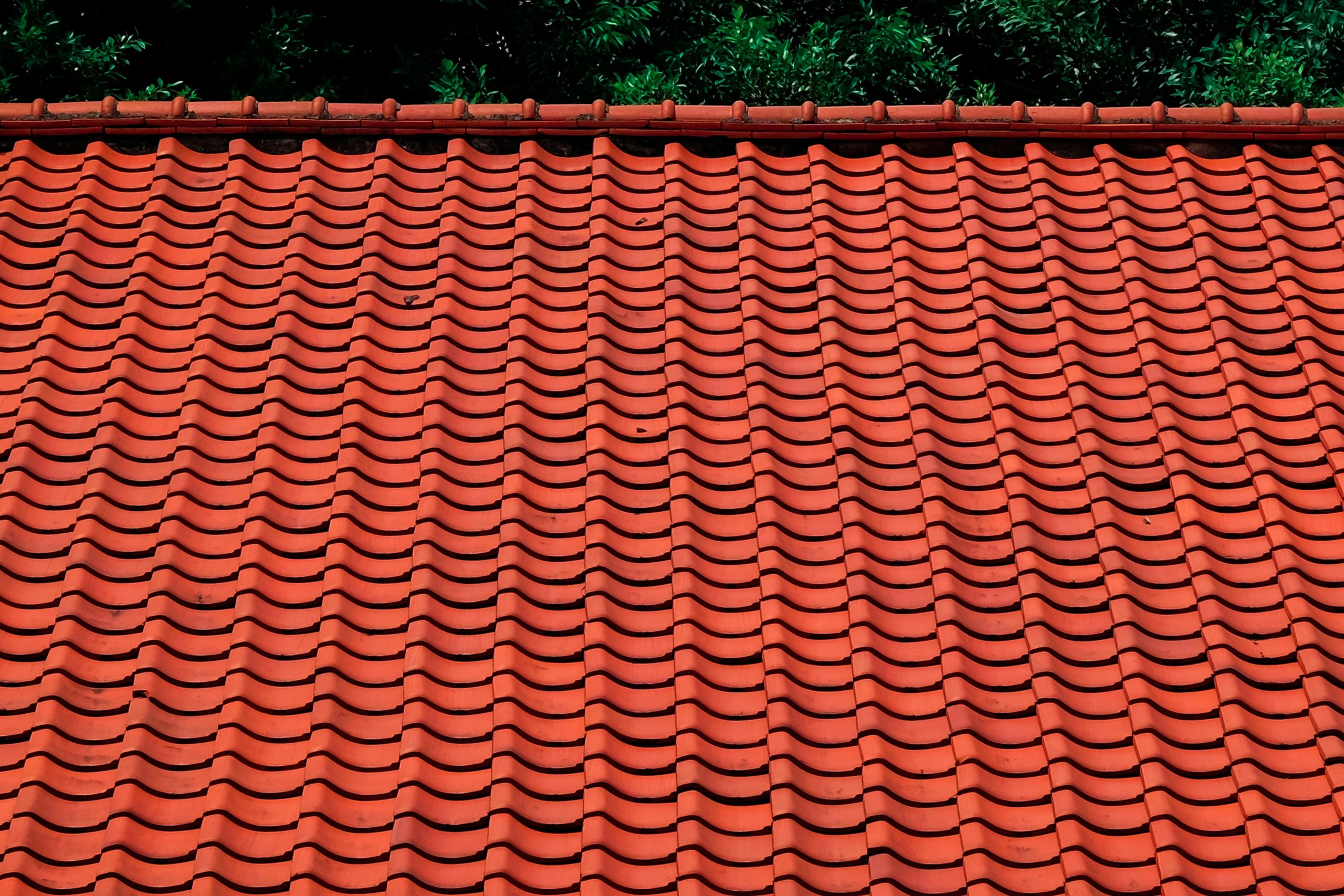
The type of roofing material is one of the biggest determinants of lifespan. For instance, asphalt shingles are the most common and generally last 20–30 years, but cheaper versions or those exposed to harsh sun may fail sooner. Metal roofs are durable and can last 40–70 years, while clay or concrete tiles and slate can often exceed 50 years if properly installed. Each material comes with pros and cons, such as cost, weight, fire resistance, and maintenance requirements, so choosing the right one for your home and climate is crucial.
Climate:
Your local weather plays a significant role in how quickly a roof wears out. Homes in areas with intense sun or heat may see shingles cracking or fading over time, while cold, snowy climates can lead to ice dams, which trap water and cause leaks. Humid regions can accelerate mold, mildew, or wood rot, and windy areas may experience shingles being lifted or blown away. Even subtle variations in daily temperatures or seasonal storms can slowly degrade roofing materials.
Installation quality:
Even the best materials can fail prematurely if the roof isn’t installed correctly. Improper nailing, insufficient underlayment, or poor flashing around vents and chimneys can lead to leaks, water damage, or structural problems. Always make sure you hire experienced, licensed professionals to ensure your roof is installed to last.
Maintenance habits:
Regular care can significantly extend a roof’s life. Cleaning debris, inspecting for missing or damaged shingles, and addressing minor leaks early prevents bigger problems down the road. Homes that skip inspections or delay repairs often face premature replacement, even if the material itself should last longer.
Ventilation and insulation:
Proper attic ventilation and insulation help regulate temperature and moisture levels beneath your roof. Excess heat buildup can warp shingles, while trapped moisture can cause rot and mold growth. Homes with poorly ventilated attics often experience a shorter roof lifespan, even when other factors are ideal.
By understanding these factors, homeowners can better anticipate when a replacement might be necessary.
Signs That Your Roof Might Be Nearing the End
While a roof can last for decades, there are telltale signs that it may need attention or replacement. Knowing these signs early can save you money and stress later.
-
Curling or buckling shingles
-
Missing shingles or tiles
-
Granules in gutters (for asphalt shingles)
-
Leaks or water stains inside the home
-
Sagging areas on the roof
-
Visible mold or mildew
If you notice these issues, it’s wise to consult a professional. Sometimes a repair is enough, but other times it signals that the roof has reached the end of its useful life. These are the classic signs of an aging roof that homeowners often overlook.
How Material Impacts Roof Lifespan
The type of roofing material you choose greatly affects how long it will last:
-
Asphalt Shingles: The most common choice. Lifespan: 20–30 years. Affordable but prone to damage in extreme weather.
-
Metal Roofing: Can last 40–70 years. Lightweight, fire-resistant, and excellent for shedding snow.
-
Clay or Concrete Tiles: Extremely durable, often lasting 50 years or more. Heavy and may require reinforced support.
-
Slate Roofing: Can last 75–100 years. Expensive, but highly durable and visually appealing.
-
Wood Shingles or Shakes: Lifespan: 25–30 years. Attractive but susceptible to rot and fire unless properly treated.
Choosing the right material for your region and budget is key to avoiding premature replacement.
Does Climate Really Matter?
Absolutely. Your local climate can have a big impact on roof longevity:
-
Hot and sunny climates: Can cause shingles to dry out and crack.
-
Cold and snowy regions: Ice dams can form, leading to leaks and structural damage.
-
Humid or rainy areas: Promote mold, mildew, and wood rot.
-
High-wind zones: Increase the risk of shingles blowing off or structural damage.
If you live in an extreme climate, selecting materials designed to withstand local conditions can extend your roof’s life significantly.
How Often Should You Inspect Your Roof?
Regular inspections are crucial to maintaining your roof’s health. Experts recommend:
-
Twice a year: Spring and fall are ideal for spotting issues before extreme weather.
-
After severe storms: Wind, hail, or heavy snow can cause damage that’s not immediately visible.
-
When selling your home: Buyers will often request a roof inspection as part of the home evaluation.
During inspections, look for missing shingles, damaged flashing, or clogged gutters. Preventive care can sometimes delay a full replacement by years.
Maintenance Tips to Extend Your Roof’s Life
Even the most durable roof won’t last forever without proper care. Here are some practical tips:
Keep gutters clean to prevent water backup.
Clogged gutters can cause water to pool along the edges of your roof, leading to leaks, wood rot, and damage to the fascia and soffits. Inspect your gutters at least twice a year—ideally in the spring and fall—and remove leaves, twigs, and other debris. Installing gutter guards can also reduce buildup and minimize maintenance efforts.
Trim overhanging tree branches.
Branches that hang over your roof can rub against shingles during windy days, causing physical damage. They also drop leaves and debris, which can trap moisture and encourage mold growth. Trim trees back at least 6–10 feet from your roofline to protect your shingles and reduce the risk of falling branches during storms.
Remove debris from the roof surface.
Leaves, pine needles, dirt, and other debris can hold moisture against your shingles and accelerate wear. Check your roof periodically and carefully remove any buildup. For safety, use a roof rake or a long-handled broom, and avoid walking on fragile areas to prevent damage.
Fix leaks promptly.
Even small leaks can quickly escalate into major problems, affecting your attic, insulation, and structural integrity. If you notice water stains, drips, or mold inside your home, address them immediately. A professional inspection can identify the source and prevent further damage before it becomes a full roof replacement.
Ensure proper attic ventilation.
Proper ventilation regulates temperature and moisture levels under your roof. Without it, heat can build up in the summer, causing shingles to warp or crack, while trapped moisture in the winter can lead to rot or mold. Make sure your attic has adequate vents, and check for insulation or air circulation issues that might compromise your roof’s longevity.
Schedule professional inspections regularly.
While homeowners can handle minor cleaning and checks, a professional roofing contractor can spot hidden issues that may not be visible from the ground. A thorough inspection once a year—or after a major storm—can catch problems early and extend your roof’s life significantly.
Keep an eye on flashing and sealants.
Flashing around chimneys, vents, and skylights can deteriorate over time, allowing water to seep in. Inspect these areas during routine maintenance and repair or reseal them as needed to prevent leaks and structural damage.
Regular maintenance is one of the most effective ways to get the most out of your roof investment.
When to Consider a Roof Replacement
While repairs can extend the life of a roof, there comes a time when replacement is the better option. Consider replacing your roof if:
-
Multiple shingles are missing or damaged
-
You notice sagging or structural issues
-
Your roof is over 20–30 years old (for asphalt shingles)
-
Leaks are recurring despite repairs
Replacing a roof may seem costly, but it can protect your home from further damage and improve energy efficiency.
How Roof Replacement Can Improve Home Value
A new roof doesn’t just prevent leaks; it can also enhance your home’s curb appeal and overall value. If you’re thinking about exterior home improvements, investing in a high-quality roof can be one of the most impactful upgrades. Potential buyers often appreciate a newly installed roof, which can make your property more marketable.
Common Myths About Roof Lifespan
There’s a lot of misinformation floating around about roofs. Here are some common myths:
-
Myth: “Roofs last forever if you maintain them.”
Fact: All roofs have a finite lifespan, but maintenance can maximize it. -
Myth: “If my roof looks fine, it doesn’t need replacement.”
Fact: Internal damage or hidden leaks may still exist. -
Myth: “All asphalt shingles are the same.”
Fact: Quality varies, and higher-end shingles can last longer.
Being aware of these myths can help homeowners make smarter decisions about repairs and replacement.
How Roof Replacement Timing Affects Insurance
Insurance companies may have specific requirements regarding roof age and condition. Some policies offer discounts for newer roofs, while older roofs may affect coverage or claims in the event of storm damage. It’s worth discussing with your provider when planning a replacement.
Budgeting for Your Roof
Roof replacement can be a significant expense, so planning ahead is crucial. Consider:
-
Material costs: Asphalt shingles are cheaper, slate is expensive.
-
Labor costs: Hiring a certified contractor ensures quality work.
-
Additional costs: Removing old roofing, repairing underlying damage, and permits.
By budgeting in advance, you can avoid last-minute financial stress.
Tips for Choosing a Roofing Contractor
Selecting the right contractor can make all the difference:
-
Look for licensed and insured professionals
-
Ask for references or check online reviews
-
Get multiple quotes for comparison
-
Ensure they provide a warranty on both materials and labor
A reputable contractor will not only install your roof correctly but also help you maximize its lifespan.
Final Thoughts
Knowing how often do roofs need to be replaced isn’t a one-size-fits-all answer. It depends on the materials, climate, maintenance habits, and even how the roof was installed in the first place. By paying attention to the signs of an aging roof, performing regular inspections, and investing in proper maintenance, you can extend the life of your roof and protect your home. Additionally, strategic upgrades like roof replacement can contribute significantly to your home’s overall value and appeal.
Taking proactive steps today ensures you won’t be caught off guard by leaks, damage, or costly repairs in the future.