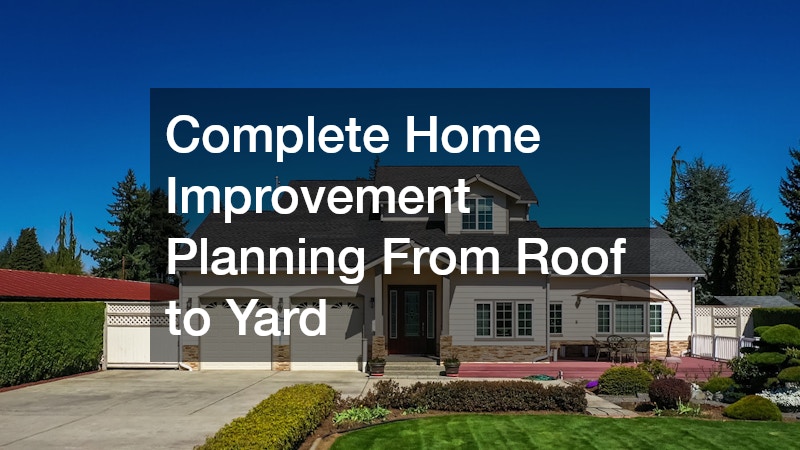
Planning a home improvement project can feel overwhelming, especially when considering the full scope of your property. From the top of the roof to the corners of the yard, each element of your home impacts safety, comfort, and overall value. Effective planning ensures that every upgrade works in harmony, reduces unexpected costs, and maximizes the long-term benefits of your investments.
Taking a systematic approach allows homeowners to prioritize projects, schedule them efficiently, and select the right professionals. This guide provides practical, actionable tips for improving every aspect of your home, from structural integrity and indoor systems to outdoor spaces. By addressing both maintenance and aesthetic improvements, you can create a home that is not only functional but also welcoming and beautiful.
Start at the Top: Evaluating Your Roof

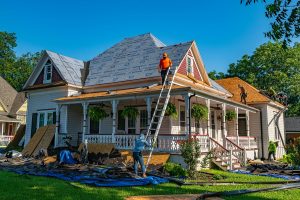
Your roof is the first line of defense against weather, temperature extremes, and water damage. Regular assessment is key to ensuring your home stays protected, and taking a proactive approach can save you significant time, money, and stress in the long run. A well-maintained roof not only shields your home but also contributes to energy efficiency and overall property value.
Tips for evaluating your roof:
-
Inspect for visible damage such as cracked, curling, or missing shingles, sagging areas, or discoloration caused by algae or moss. Even minor issues can worsen over time if left unaddressed.
-
Check for signs of water infiltration inside the home, including stains on ceilings or walls, warped wooden surfaces, or a musty odor in attics or upper floors.
-
Look at roof valleys, vents, chimneys, and flashing, which are common points of failure where leaks often begin. Ensure flashing is intact and sealants remain flexible and unbroken.
-
Examine gutters and downspouts to ensure they are clear of debris and effectively channeling water away from your home’s foundation. Poor drainage can accelerate roof deterioration.
-
Schedule annual inspections with a professional, especially after severe weather events like heavy storms or high winds. Document findings and create a maintenance log to track repairs and replacements over time.
Hiring professionals:
Residential roofing experts can assess the overall condition of your roof, identify hidden damage, and recommend maintenance or replacement options. Timely roof repair prevents minor issues, like a missing shingle or small leak, from escalating into extensive water damage or structural problems. Professionals can also advise on ventilation, insulation, and material longevity, helping homeowners make informed decisions about repairs, maintenance, or full replacement.
By understanding your roof’s current condition and expected lifespan, you can plan improvements strategically, protect your home from costly damage, and maintain peace of mind knowing the top layer of your home is solid and reliable. Regular care and professional guidance ensure your roof continues to perform its critical role for years to come.
Choosing Durable Roofing Materials
Selecting the right roofing material can dramatically impact your home’s longevity, energy efficiency, and maintenance needs. Different materials offer varying advantages depending on your climate, lifestyle, and the architectural style of your home. Making an informed choice ensures that your roof not only protects your home but also adds value and reduces long-term costs.
Key considerations:
-
Asphalt shingles: Cost-effective and widely available, asphalt shingles are a popular choice for many homeowners. They are relatively easy to install and repair but typically last 15–25 years, requiring more frequent replacement than premium options. Asphalt shingles perform well in moderate climates but may deteriorate faster under extreme heat or heavy storms.
-
Tile roofing: Tile offers excellent heat resistance, making it ideal for warmer climates. It is durable, often lasting 50 years or more, but its heavy weight may require additional structural reinforcement. Proper installation and periodic inspection are crucial to prevent cracking and water infiltration.
-
Metal roofing: Metal roofing has gained popularity due to its exceptional longevity, often 40–70 years, and low maintenance requirements. It reflects sunlight, helping reduce energy costs in hot climates, and is highly resistant to mold, mildew, and insect damage. Metal panels or shingles are also fire-resistant, providing an added layer of safety for your home.
Additional considerations:
-
Climate suitability: In areas with heavy snowfall, consider materials that allow snow to slide off easily, like metal. For hot, dry regions, tile or reflective shingles help reduce cooling costs.
-
Maintenance needs: Choose materials that match the level of maintenance you are willing to perform. For example, asphalt shingles may require occasional moss or algae cleaning, while metal roofing often needs only annual inspection.
-
Cost vs. value: While some materials may have higher upfront costs, their longevity and energy efficiency can make them more economical over time.
When choosing a roofing material, consider not only aesthetics but also your home’s structural requirements, local building codes, and long-term maintenance expectations. A well-selected material paired with professional installation ensures that your roof protects your home effectively, improves energy efficiency, and maintains its appearance for decades.
Ensuring Indoor Comfort with HVAC Planning

An efficient HVAC system is crucial for maintaining comfort throughout the year while minimizing energy costs. Whether it’s keeping your home warm in winter or cool in summer, the performance of your heating, ventilation, and air conditioning system directly impacts indoor air quality, energy bills, and overall comfort. Before investing in upgrades, it’s important to evaluate your current setup to identify areas for improvement and prevent unnecessary expenses.
Actionable tips for HVAC planning:
-
Inspect ductwork thoroughly for leaks, holes, or blockages. Even small gaps can significantly reduce airflow, forcing your system to work harder and raising energy costs.
-
Assess insulation around ducts and air handlers. Properly insulated ducts prevent heat loss in winter and heat gain in summer, improving overall efficiency.
-
Monitor airflow and temperature consistency in different areas of your home. Uneven heating or cooling may indicate a need for zoning systems or additional ductwork adjustments.
-
Consider upgrading to energy-efficient HVAC units with higher SEER ratings or variable-speed blowers. While the initial investment may be higher, efficiency improvements often pay off in reduced monthly utility bills.
-
Replace or clean filters regularly to maintain optimal air quality and prevent strain on the system.
Professional services:
-
Duct installation should always be performed by certified technicians to ensure proper sizing, airflow, and compliance with building codes. Poor installation can lead to persistent comfort issues and higher operating costs.
-
Scheduling regular air conditioning service, including system inspections, refrigerant checks, and coil cleaning, helps prevent breakdowns, extends equipment life, and maintains peak efficiency.
By proactively maintaining and upgrading HVAC systems, homeowners can enjoy improved comfort, healthier indoor air, and substantial long-term savings. Planning ahead and involving qualified professionals ensures that your HVAC system operates efficiently, meets your household needs, and minimizes the risk of costly repairs in the future.
Modernizing Plumbing for Safety and Efficiency
Plumbing is one of the most critical components of any home. Beyond delivering clean water and removing waste, it protects your home from water damage, mold, and structural issues. Well-maintained plumbing ensures daily comfort, prevents costly repairs, and supports the longevity of your home. Neglecting plumbing problems, even minor ones, can escalate quickly, leading to expensive emergencies and disruptions.
Plumbing inspection checklist:
-
Check for leaks under sinks, around toilets, and near water heaters. Small drips can waste hundreds of gallons of water annually and cause hidden damage to cabinets and flooring.
-
Monitor water pressure and temperature consistency throughout your home. Low pressure or fluctuating temperatures may indicate clogs, pipe corrosion, or failing valves.
-
Inspect pipe materials for signs of corrosion, rust, or wear, especially in older homes with galvanized steel or copper pipes. Cracks or leaks in pipes can lead to water damage and costly repairs.
-
Test drains for slow drainage or backups. Frequent clogs can signal issues with your main sewer line, tree root intrusion, or insufficient slope in piping.
Upgrades to consider:
-
Replace outdated fixtures with water-saving faucets, toilets, and showerheads to reduce water consumption and utility bills.
-
Update aging pipes to modern materials such as PEX or PVC, which are more durable and resistant to leaks.
-
Consider installing modern filtration systems to improve water quality and protect both your family and plumbing appliances.
Professional services:
Hiring experienced plumbing services is essential for both large-scale repairs and routine maintenance. Professionals can diagnose hidden issues, such as underground leaks, sewer line damage, or complex drainage problems, that are difficult for homeowners to detect. They also ensure compliance with building codes, proper installation of new systems, and safe handling of plumbing materials.
Proactive plumbing maintenance minimizes the risk of emergencies, protects your home’s structure, and ensures reliable water flow for years to come. By planning upgrades and inspections strategically, homeowners can achieve a safe, efficient, and comfortable home environment.
Renovating Interiors with Purpose
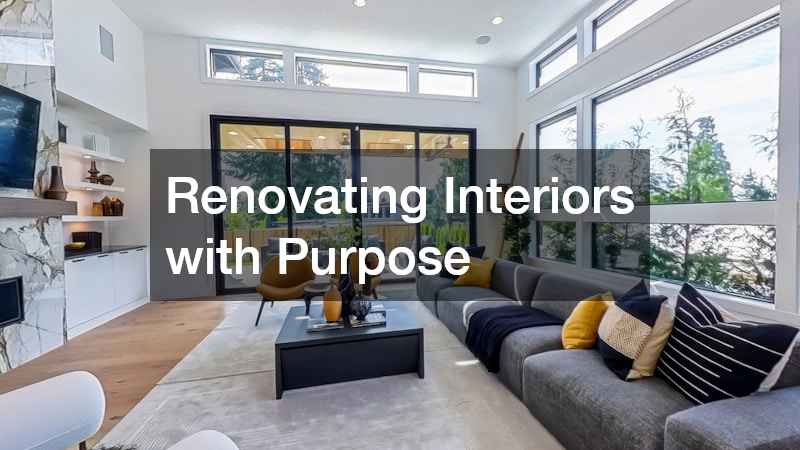
Home remodeling can transform your living spaces, improve functionality, and increase property value. The key is strategic planning to ensure each project aligns with your lifestyle and goals.
Actionable tips for remodeling:
-
Prioritize rooms that are used most frequently for maximum impact.
-
Set a clear budget for materials, labor, and contingencies.
-
Incorporate both aesthetics and function, storage solutions, lighting, and flow matter as much as finishes.
Working with professionals:
Home remodeling service providers can offer design insights, project management, and high-quality execution. Whether updating a kitchen, bathroom, or living area, professionals ensure compliance with building codes and help avoid costly mistakes.
By carefully planning and executing remodeling projects, homeowners can achieve beautiful, functional spaces without unnecessary stress.
Protecting Your Home: Mold and Moisture Control
Moisture issues can compromise structural integrity and lead to health risks if not addressed promptly. Preventing mold growth is essential for a safe and comfortable home.
Tips for controlling moisture:
-
Maintain proper ventilation in bathrooms, kitchens, and basements.
-
Seal leaks around windows, doors, and roofing penetrations.
-
Use dehumidifiers in damp areas to reduce humidity levels.
Professional intervention:
A mold remediation contractor can assess the severity of an infestation, safely remove contaminated materials, and treat affected areas to prevent recurrence. Early intervention reduces health risks and protects your home from long-term damage.
Preventing and addressing mold requires vigilance, but the payoff is a healthier, more durable living environment.
Designing Your Outdoor Spaces Strategically

Outdoor spaces contribute significantly to your home’s appeal and livability. Proper planning ensures they are both functional and low-maintenance.
Hardscaping considerations:
-
Plan pathways, patios, and retaining walls to complement your landscape.
-
Choose materials that withstand local weather conditions.
-
Consider drainage to avoid erosion or pooling water.
Professional services:
Hardscaping services provide expertise in design, installation, and maintenance. Professionals can help transform your yard into an extension of your living space while ensuring durability and aesthetic appeal.
Creating thoughtful outdoor spaces enhances enjoyment, increases property value, and reduces future maintenance headaches.
Securing and Beautifying Property Boundaries
Fencing serves both functional and aesthetic purposes. Proper installation can improve privacy, security, and curb appeal.
Planning tips for fencing:
-
Determine the purpose: privacy, security, pet containment, or decorative appeal.
-
Choose materials that match your home’s style and climate requirements.
-
Plan gates and access points for convenience and safety.
Professional services:
A fencing company can assist with design, material selection, permitting, and installation. Properly installed fencing reduces long-term maintenance and ensures compliance with local regulations.
Well-planned fencing enhances the overall look of your property while providing practical benefits.
Creating a Comprehensive Home Improvement Timeline
Coordinating multiple home improvement projects requires careful scheduling to avoid conflicts and inefficiencies.
Tips for project planning:
-
Map out projects from major structural elements (roof, plumbing) to finishing touches (landscaping, fencing).
-
Schedule inspections and contractor work to minimize downtime.
-
Create a realistic budget with contingency funds for unexpected costs.
-
Consider seasonal factors, such as roofing in dry months and landscaping in spring or fall.
Streamlining communication:
-
Keep a central project log of deadlines, permits, and contact information.
-
Regularly check in with contractors to monitor progress.
-
Sequence projects to avoid repeated disruptions to the same areas.
A well-thought-out timeline ensures projects are completed efficiently, within budget, and with minimal stress.
Comprehensive home improvement planning requires attention to detail, careful coordination, and professional support. By evaluating structural elements, upgrading essential systems, and thoughtfully designing both interiors and outdoor spaces, homeowners can create a safe, functional, and beautiful home.
Approaching projects systematically, from the roof to the yard, ensures long-term durability, comfort, and increased property value. With strategic planning, the right experts, and proactive maintenance, every part of your home can contribute to a cohesive, well-functioning living environment.