Replacing a roof is crucial for maintaining the structural integrity and aesthetic appeal of your home. While complex, this process ensures security against harsh conditions. Understanding it reduces stress and common pitfalls. This article provides an overview of preparation, execution, and completion phases to ensure a smooth transition. A new roof not only improves curb appeal but also increases market value and energy efficiency.
How Should I Prepare for a Roof Replacement?
Before replacement, clear attic spaces to prevent dust settling on items. Move outdoor furniture and cover plants to shield them from debris. Indoors, secure fragile items and ensure pets are away from work areas. Communicate with your contractor about additional precautions. These steps protect belongings and keep your environment intact during renovation.
Inform neighbors, as noise and debris might affect them. This fosters good relations and allows for any necessary preparations. Also, advise them of potential parking or accessibility changes due to equipment deliveries.
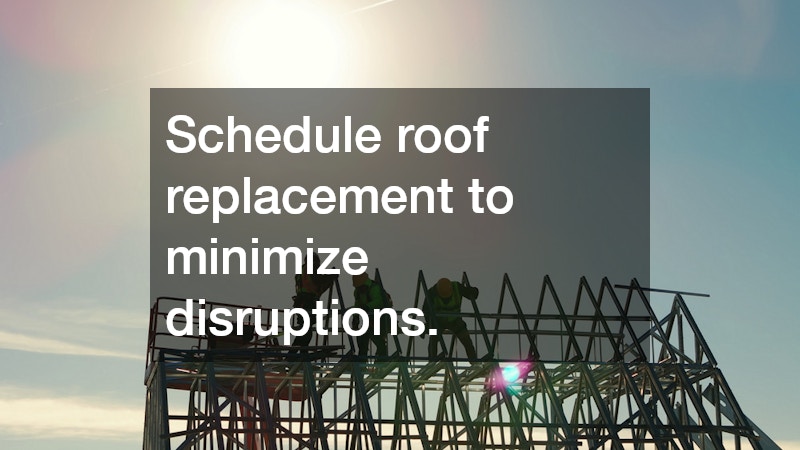
Schedule roof replacement to minimize disruptions. Choose dates without personal conflicts and confirm contractor availability early. Consider weather conditions for a smoother process. Most projects last several days, but complexities may extend this. Establishing a clear timeline with your contractor helps manage expectations.
Discuss work hours to minimize family routine impacts, possibly necessitating temporary work or school adjustments. Open communication with the contractor facilitates better experience management. Weather can affect scheduling; have a contingency plan ready. Coordinate with your contractor about potential postponements.
Budget for materials, labor, old roof removal, permits, and cleanup to avoid financial strain. Allocating a contingency fund helps handle unexpected costs like structural repairs or compliance upgrades, ensuring project continuity. Detailed quotes from contractors are crucial; review all expected expenses carefully and gather multiple quotes for informed decision-making.
What is Involved in the Roof Replacement Process?
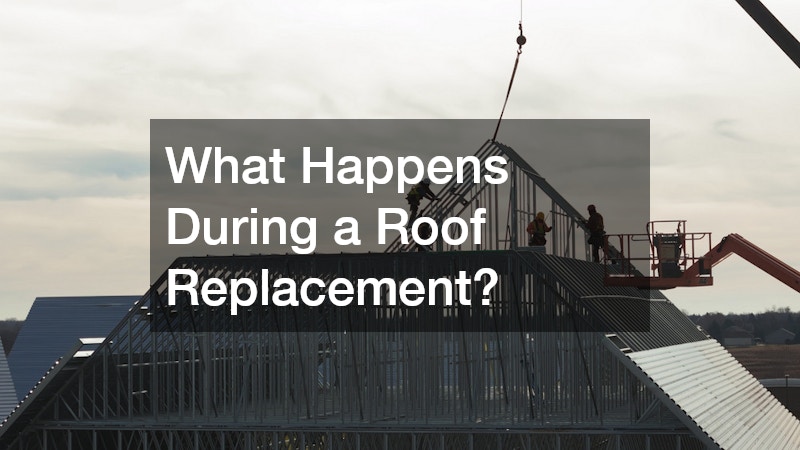
The process starts with removing the old roof down to the deck. Precision during this phase prevents deck damage and allows contractors to inspect the structural integrity of the roof. Any underlying issues, such as rotting wood, water damage, or pest infestations, should be addressed before new materials are laid to ensure a solid foundation. After preparing the roof deck, new underlayment is installed to provide moisture protection, while roof flashing is replaced or repaired where necessary to prevent leaks at edges, valleys, and around chimneys or vents. Attention to detail during this stage directly impacts the durability and longevity of the new roof.
Application of new shingles or roofing materials begins at the edge, progressing from bottom to top to ensure proper overlap and water runoff. High-quality materials and precise installation techniques ensure the roof withstands harsh weather and maintains a uniform appearance. Different roofing options—including asphalt shingles, metal panels, clay or concrete tiles, and synthetic materials—offer varying benefits in terms of aesthetics, cost, and performance. Proper ventilation is critical, helping regulate attic temperature, reduce moisture buildup, and extend the life of roofing materials.
Final phases include securing all materials, sealing seams for weatherproofing, and conducting a thorough cleanup. Removing nails, debris, and leftover materials protects family, pets, and landscaping. Gutters may also be repaired or replaced to ensure proper water management. A final inspection confirms that the roof is secure, visually appealing, and ready to protect the home for years to come.
How Long Does a Roof Replacement Take?
Timeline depends on roof size, complexity, material choice, weather, and contractor experience and effeciency. Metal roofs may require longer installations, while asphalt shingles are faster. Experienced contractors expedite the process. Planning for contingencies and effective communication minimizes disruptions. Asphalt shingles typically take 2–3 days to install, while metal or tile roofs may require a week or more due to heavier materials and more intricate installation steps. Additional features like solar panels, skylights, or custom ventilation can further extend timelines. Experienced contractors can streamline the process, but effective planning and preparation remain essential.
Effective preparation and communication are key to minimizing delays. Homeowners can minimize disruptions by organizing schedules, securing necessary permits, and confirming material availability ahead of time. Regular updates from the contractor allow for quick problem-solving if unexpected issues arise. Open communication with the contractor help prevent or address delays, ensuring project progress. Adapt lifestyle around the project also helps keep the replacement process safe and efficient.
Aftercare & Maintenance of Your New Roof
Once your roof replacement is complete, proper maintenance ensures it lasts as long as possible. Regular inspections for loose shingles, damaged flashing, or debris buildup help prevent costly repairs. Seasonal cleaning of gutters and checking for leaks can extend the roof’s lifespan. Homeowners often ask how often roofs need to be replaced. This depends on factors like material type, climate, and maintenance habits. Staying proactive with care maximizes the durability of your investment and helps avoid premature replacements.
Closing Thoughts
The roof replacement process requires careful planning and execution for optimal results. Active participation in preparation protects your investment. Understanding logistical and cost considerations helps prevent delays. A skilled contractor guarantees durability and aesthetics, enhancing home value and functionality. Informed choices lead to a successful and enduring roofing solution.