Home improvement can be both exciting and overwhelming. Every homeowner has a long list of projects, from minor cosmetic upgrades to major structural repairs. Without a clear plan, it’s easy to start in the wrong order, spend unnecessary money, or create more work for yourself later. Prioritizing projects ensures that your home remains safe, functional, and valuable, while also helping you make the most of your budget.
In this guide, we’ll explore practical steps for evaluating, organizing, and scheduling home improvement projects. Whether you’re looking to tackle a long-overdue kitchen renovation, update the exterior, or address hidden plumbing issues, these strategies will help you create a roadmap that minimizes stress and maximizes results.
Start With Projects That Protect Structural Integrity
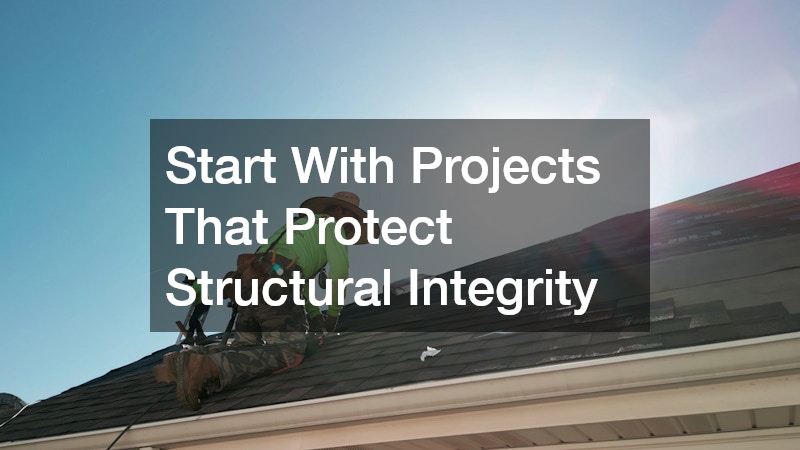
The foundation of any good home improvement plan is ensuring that your home’s structure is sound. Projects that prevent damage or deterioration should always come first, because ignoring them can lead to costly repairs later. Structural issues often impact multiple areas of a home, so addressing them early prevents a domino effect of damage that could compromise ceilings, walls, floors, and even interior finishes.
- Assess your roof condition: Begin by inspecting your roof carefully. Look for missing shingles, sagging areas, leaks, or water stains on ceilings and walls inside the home. Pay close attention to the flashing around chimneys, vents, and skylights, as these areas are common sources of leaks. Small cracks or worn spots may seem minor, but over time they can allow water to infiltrate, leading to insulation damage, mold growth, and wood rot. Early detection of these issues allows you to schedule repairs before they escalate.
- Check for signs of moisture or leaks: Damp spots, discoloration, or musty odors are red flags. Mold and mildew are not only harmful to your home but can also affect the health of your family. Regularly inspect attics and crawlspaces for hidden moisture problems. Even minor leaks can worsen if ignored, potentially affecting structural beams and supporting walls.
- Evaluate the urgency of repairs: Not all roofing issues require immediate action, but some, like active leaks during rainy seasons, demand prompt attention. Minor wear, such as slightly curled shingles or small cracks, can often be scheduled for routine maintenance, but leaving them too long increases the risk of extensive damage.
If your roof is showing consistent wear or leaks, it may be time to contact a residential roofing professional. They can assess whether repairs are sufficient or if a full roof replacement is necessary. A roof replacement not only protects the structural integrity of your home but also prevents related issues such as water damage, compromised insulation, or mold growth. Taking the time to address these critical structural priorities first lays a secure foundation for all subsequent renovations, ensuring your home remains safe, comfortable, and long-lasting.
Address Hidden Plumbing Problems Early
Plumbing issues are often hidden behind walls, under floors, or inside ceilings, making them easy to overlook until a major problem arises. Leaks, corrosion, or outdated pipe systems can cause significant damage if not addressed before starting renovations. Tackling these problems early can save both time and money while preventing disruptions to your remodeling plans.
- Inspect for leaks and corrosion: Begin by carefully checking areas where water is frequently used. Look under sinks, around toilets, near water heaters, and in laundry rooms for signs of leaks, rust, or weakened pipes. Even small drips or minor corrosion can indicate larger problems within the system. Pay attention to changes in water pressure or unusual sounds in the pipes, as these can signal blockages or failing plumbing that could worsen over time.
- Plan upgrades before interior work: Replacing or repairing pipes is significantly easier when walls, flooring, or cabinetry are not yet installed. Ignoring hidden plumbing problems until after remodeling can result in tearing out finished materials, increasing labor and material costs. For example, a bathroom remodel or kitchen renovation could be disrupted if a pipe fails behind newly installed cabinets or under freshly laid flooring.
- Schedule preventive maintenance: Homes with older plumbing systems benefit from professional repiping services to replace aging pipes with durable, modern materials. This proactive approach reduces the risk of future leaks, water damage, or costly emergency repairs. Repiping services also improve water quality and ensure long-term reliability, providing peace of mind throughout the remodeling process.
By addressing plumbing problems upfront, you not only protect your home’s structure but also make future renovations smoother. Investing in preventive maintenance and repiping services ensures that your remodel won’t be interrupted by unexpected leaks or failures, saving both money and frustration while maintaining the integrity of your home.
Evaluate Roofing Materials and Long-Term Durability
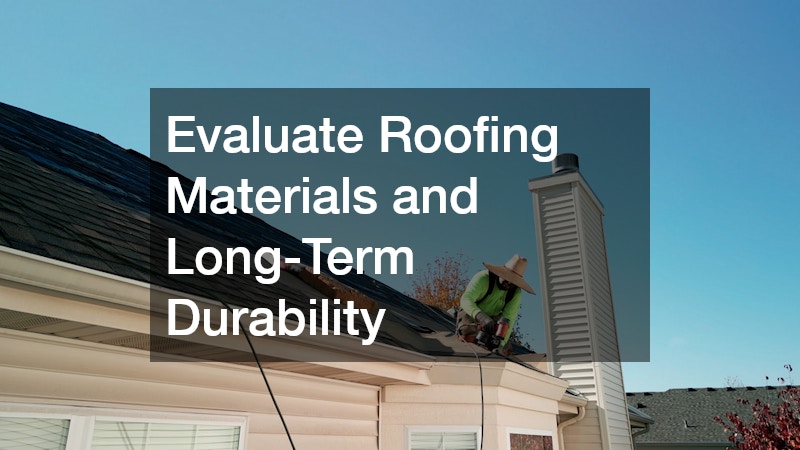
Choosing the right roofing materials is crucial not only for protecting your home from the elements but also for maintaining its long-term value. The lifespan, maintenance requirements, and aesthetic appeal of your roof play a significant role in both the safety and market value of your property. Selecting materials carefully ensures that your investment pays off for years to come.
- Understand material benefits: EDPM roofing is a highly durable option, especially for flat or low-slope roofs. Its weather-resistant properties make it resistant to extreme temperatures, UV exposure, and water infiltration, all while requiring minimal maintenance. Metal shingles, on the other hand, offer exceptional longevity, often lasting several decades with proper care. They are fire-resistant, energy-efficient, and available in a variety of styles and colors to complement your home’s design. Both options provide a long-term solution that reduces the likelihood of frequent repairs.
- Consider your climate: Environmental factors heavily influence which roofing material is best for your home. In regions with heavy snowfall, a roof that can shed snow efficiently prevents ice dams and water damage. Coastal or rainy climates require water-resistant materials, while areas prone to wildfires benefit from fire-resistant options like metal shingles. Selecting the right material for your environment helps extend the roof’s life and minimizes future maintenance costs.
- Factor in maintenance costs: Every roof requires some level of upkeep, but durable materials like EDPM roofing and metal shingles reduce the frequency and cost of repairs. A well-chosen roof can save thousands over time and allows homeowners to allocate resources to other projects, such as kitchen or bathroom remodels, without worrying about ongoing roofing issues.
When planning roof upgrades, weigh the upfront investment against long-term savings. Considering durability, maintenance requirements, and environmental suitability ensures your home stays protected, increases efficiency, and maximizes the return on your remodeling efforts. Choosing high-quality materials now avoids costly repairs in the future and creates a solid foundation for all other home improvements.
Hire the Right Professionals for Major Projects
Many home improvement projects require specialized skills that go beyond basic DIY work. Hiring the right professionals ensures high-quality results, reduces the risk of mistakes, and prevents issues that could compromise other ongoing or future projects. Large-scale renovations, structural repairs, and major upgrades—such as roof replacement, kitchen remodeling, or bathroom remodels—often demand expertise, tools, and knowledge that only licensed contractors can provide.
- Get multiple quotes and evaluations: Before hiring, reach out to several contractors for detailed estimates. Comparing quotes helps you understand the market rate, scope of work, and potential timeline. A careful evaluation allows you to identify contractors who offer both quality and value. Be sure to ask for references and examples of past work, particularly for specialized areas such as roofing or plumbing.
- Check credentials and experience: Always verify licenses, insurance, and certifications. A reputable roofing company, for instance, can detect subtle issues that a homeowner might miss, such as hidden leaks or improper flashing. Similarly, contractors offering home remodeling services can provide insight into efficient layouts, proper sequencing of projects, and potential challenges you might not anticipate. Experienced professionals can recommend solutions that save time and money while ensuring structural integrity and safety.
- Coordinate larger projects: When multiple renovations are planned, professional project management can make a significant difference. Home remodeling services can oversee timelines, coordinate subcontractors, and sequence projects correctly to prevent rework or delays. Proper coordination ensures that one project does not interfere with another—for example, scheduling a roof replacement before interior painting avoids accidental damage to newly finished surfaces.
Working with trusted professionals not only saves time and reduces stress but also protects your investment. Experienced contractors help prioritize repairs, suggest cost-effective solutions, and ensure that all work meets building codes and quality standards. By relying on their expertise, homeowners can confidently tackle major projects, knowing that the results will be durable, safe, and aesthetically pleasing.
Prioritize High-Impact Interior Spaces First
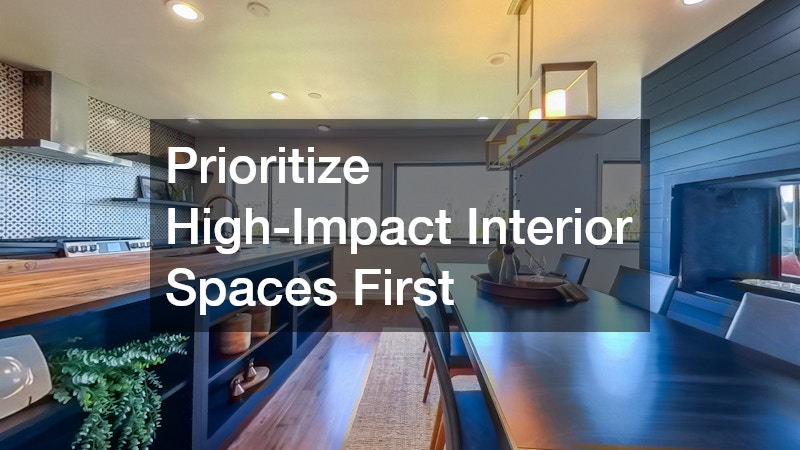
Not all rooms have equal importance. Spaces that are used daily, like kitchens and bathrooms, typically have the most immediate impact on comfort and quality of life.
- Focus on functionality: A poorly designed or outdated kitchen can affect cooking efficiency and storage, while a bathroom in disrepair can disrupt daily routines.
- Plan the sequence carefully: Start with a kitchen remodeling service to modernize cabinetry, appliances, and layouts, and then move to a bathroom remodel to upgrade fixtures, flooring, and plumbing.
- Maximize aesthetic and resale value: High-quality updates in these areas often provide the best return on investment when selling your home.
By prioritizing projects in high-impact spaces, you improve both comfort and home value while avoiding unnecessary delays caused by overlapping projects.
Improve Curb Appeal After Structural Work
Once structural and functional upgrades are complete, exterior enhancements should be your next priority. Improving curb appeal not only boosts aesthetics but also adds measurable value to your home.
- Focus on painting and finishing: Exterior painting services can refresh siding, trim, and doors, protecting your home from weather while improving appearance.
- Coordinate with prior work: Complete exterior painting after roofing or siding updates to prevent damage or paint touch-ups.
- Select quality materials and colors: High-quality paint and finishes enhance durability and complement other home upgrades.
A well-planned exterior upgrade provides a polished look and signals to visitors and potential buyers that your home is well-maintained.
Create a Project Timeline That Prevents Rework
Proper sequencing is key to efficient home improvement. Without careful planning, projects can interfere with one another, causing delays and extra expenses.
- List projects in logical order: Begin with structural repairs, followed by plumbing and electrical work, then interior and exterior finishes.
- Coordinate contractor schedules: Avoid overlapping work that could damage completed areas, such as flooring during painting.
- Bundle related upgrades: Grouping similar projects together, like kitchen and bathroom remodels, improves efficiency and minimizes disruptions.
A clear timeline helps you manage resources effectively, ensures that work is done correctly, and prevents costly rework.
Budget Based on Urgency and Return on Investment

Budgeting effectively requires prioritizing urgent repairs and high-impact improvements. Not all projects provide equal value, so planning based on ROI is critical.
- Separate projects by urgency: Structural repairs and plumbing take precedence over cosmetic upgrades.
- Estimate costs realistically: Include materials, labor, permits, and contingency funds for unexpected expenses.
- Focus on high-value improvements: Interior remodels like kitchen and bathroom upgrades often offer better resale value than purely decorative updates.
Allocating funds strategically ensures that urgent needs are met first, while still allowing for long-term aesthetic and functional enhancements.
Consider Your Home’s Age and Condition
Older homes often require a different approach than newer constructions. Age and wear influence which projects should be prioritized.
- Inspect systems and materials: Outdated electrical, plumbing, or roofing systems may require upgrades to meet current safety standards.
- Address recurring problems first: Older homes are more prone to leaks, drafts, and plumbing issues that could compromise new upgrades.
- Plan modernization upgrades: Structural improvements combined with modern amenities create a safer, more comfortable living space.
Understanding your home’s unique needs allows you to make informed decisions, ensuring that improvements solve problems rather than simply adding cosmetic value.
Build a Long-Term Home Improvement Plan
Home remodeling is rarely completed in a single year. A long-term plan helps you prioritize effectively and manage your budget over time.
- Create a multi-year roadmap: Identify immediate repairs, medium-term upgrades, and long-term enhancements.
- Track completed and upcoming projects: Keep records of timelines, costs, and contractor information for future reference.
- Adjust priorities as needed: Life changes, budgets, and home needs may shift, so flexibility is key.
- Schedule seasonal projects efficiently: Exterior painting, roofing, and landscaping can be planned according to weather conditions to optimize results.
A structured long-term plan ensures that your home improvement efforts are systematic, cost-effective, and aligned with your overall goals.
Prioritizing home improvement projects is essential for maintaining a safe, functional, and valuable home. By focusing first on structural integrity, hidden plumbing issues, and high-impact spaces, homeowners can prevent costly repairs and maximize comfort. Hiring the right professionals, coordinating timelines, and planning a long-term roadmap helps ensure that projects are completed efficiently and effectively.
Taking a strategic approach allows you to enjoy both immediate benefits and long-term improvements, creating a home that is safe, beautiful, and tailored to your lifestyle.