Custom cabinetry plays a central role in shaping how a space looks, feels, and functions. Unlike stock or semi-custom options, custom cabinets are designed specifically for the home they inhabit, allowing for a cohesive aesthetic, efficient use of space, and functionality tailored to daily routines. Whether applied in kitchens, bathrooms, home offices, or built-ins, custom cabinetry offers a level of precision and personalization that standard solutions cannot replicate. For homeowners prioritizing long-term value, usability, and design integrity, custom cabinetry is a strategic investment.
Why Choose Custom Cabinetry Over Stock Options?
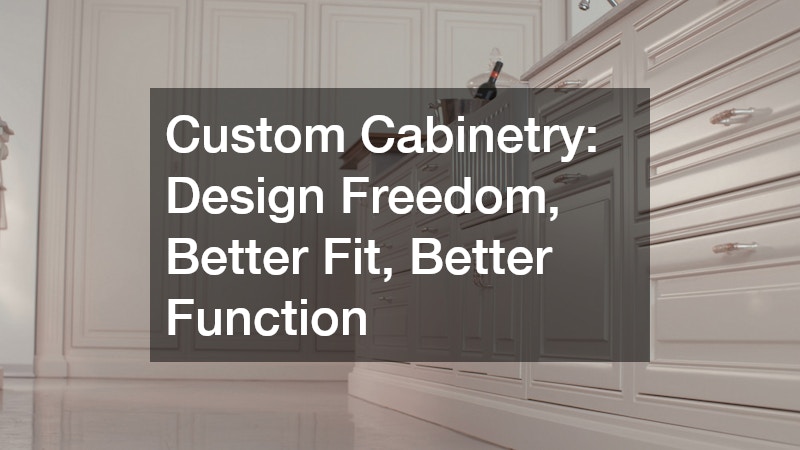
One of the primary advantages of custom cabinetry is complete design freedom. Every visual element—cabinet dimensions, door styles, finishes, hardware, and interior configurations—is selected to align with the homeowner’s preferences and the architectural style of the home. This allows cabinetry to complement existing design elements rather than forcing compromises around pre-manufactured sizes or finishes. Custom cabinetry also supports consistency across spaces. Matching profiles, materials, and finishes can be carried from kitchens into adjacent rooms or built-ins, creating a unified interior design language. This level of cohesion is difficult to achieve with stock cabinets, which are often limited to a narrow range of styles and colors.
Stock cabinets are manufactured in standard sizes, which often leads to wasted space, filler panels, or awkward gaps—especially in older homes or rooms with unique layouts. Custom cabinetry is built to exact specifications, ensuring every inch of available space is used effectively. This precision is particularly valuable in homes with sloped ceilings, shallow walls, tight corners, or irregular floor plans. Custom cabinets can be designed to extend to the ceiling, wrap around architectural features, or fit seamlessly into alcoves. The result is a cleaner visual appearance and increased storage capacity without overcrowding the room.
Functionality is where custom cabinetry consistently outperforms off-the-shelf options. Interior layouts can be designed around how the space is actually used, not generic assumptions. This includes customized drawer depths, specialized storage for cookware or appliances, pull-out shelving, integrated dividers, and soft-close hardware. Accessibility can also be improved through thoughtful design. Features such as roll-out trays, appliance garages, or built-in lighting enhance usability and reduce daily friction. These functional enhancements are especially beneficial in high-use areas like kitchens and bathrooms, where efficiency directly impacts comfort and convenience.
What Are the Key Steps in the Custom Cabinet Making Process?
The custom cabinetry process begins with a detailed consultation focused on understanding the client’s goals, lifestyle, and spatial constraints. This stage involves assessing the room layout, discussing design preferences, and identifying functional priorities such as storage needs or workflow considerations. Accurate measurements and site evaluations are critical at this stage. A collaborative planning approach ensures the final design aligns with both aesthetic expectations and practical requirements, minimizing revisions later in the process.
Once the initial concept is established, attention shifts to material selection and design refinement. Custom cabinetry offers access to a wide range of materials, including solid hardwoods, engineered wood products, veneers, and specialty finishes. Each option carries implications for durability, appearance, and maintenance. Design finalization involves confirming cabinet construction details, door profiles, finish treatments, and hardware selections. At this stage, functionality is refined through interior configurations and accessory choices. The goal is to balance visual appeal with long-term performance and ease of use.
The crafting phase is where precision and craftsmanship are most evident. Custom cabinets are built to the approved specifications, often by skilled cabinetmakers using a combination of traditional techniques and modern equipment. Attention to detail during construction ensures proper alignment, structural integrity, and finish quality. Installation is equally critical. Professional installation ensures cabinets are level, securely anchored, and properly integrated with surrounding elements such as countertops, appliances, and trim. A well-executed installation preserves the design intent and ensures the cabinetry performs as intended over time.
How to Maintain and Care for Custom Cabinets?
Regular cleaning is essential to maintain the appearance of custom cabinetry. In most cases, a soft cloth and mild, non-abrasive cleaner are sufficient for routine maintenance. Harsh chemicals or abrasive materials should be avoided, as they can damage finishes or dull surfaces. Spills and splashes should be wiped promptly, especially around sinks or high-use areas. Consistent light cleaning helps prevent buildup and preserves the original finish without excessive effort.
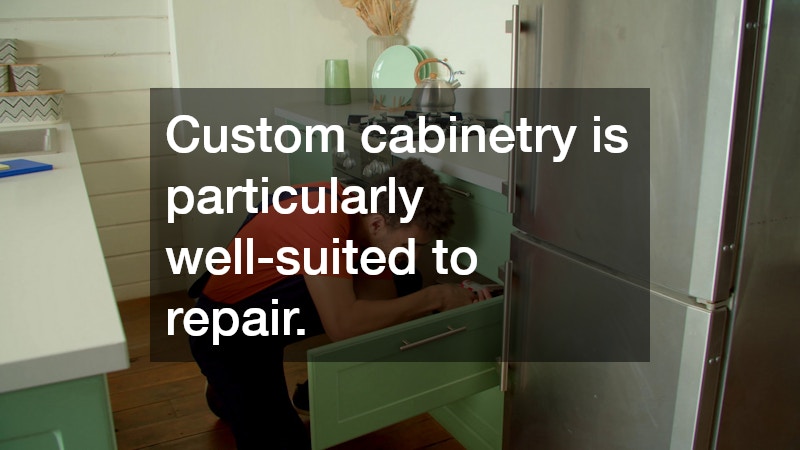
Over time, normal use may lead to minor wear, such as loose hardware or surface scuffs. Addressing these issues early helps prevent more significant damage. Tightening hinges, adjusting drawer slides, and replacing worn bumpers are simple maintenance tasks that extend cabinet life. For visible wear, touch-up kits or professional refinishing services can restore appearance without requiring full replacement. Custom cabinetry is particularly well-suited to repair and refinishing, making it more sustainable than mass-produced alternatives.
Long-term preservation focuses on prevention. Maintaining stable indoor humidity levels helps prevent wood expansion or contraction. Using cabinet liners, avoiding excessive weight on shelves, and ensuring proper ventilation near appliances also contribute to longevity. Periodic inspections by a cabinetry professional can identify potential issues before they escalate. With proper care, custom cabinets can maintain both function and appearance for decades.
Custom cabinetry offers a clear advantage for homeowners seeking design flexibility, efficient use of space, and tailored functionality. By aligning cabinetry with the specific needs of the home and its occupants, custom solutions eliminate common compromises associated with stock options. From precise fit and cohesive aesthetics to enhanced usability and long-term durability, custom cabinetry elevates interior spaces in ways that standard products cannot. For those prioritizing quality, performance, and personalization, custom cabinetry remains a practical and enduring choice.