
A home is one of the largest financial commitments most people will ever make. Protecting that investment requires more than occasional repairs or cosmetic upgrades. Consistent maintenance, strategic planning, and timely improvements can prevent expensive damage while helping your property retain long-term value.
Many homeowners focus only on visible issues, but the most costly problems often begin behind walls, beneath foundations, or on exterior surfaces exposed to weather year-round. Taking a proactive approach helps you avoid emergencies, improve energy efficiency, and create a safer, more comfortable living environment. Small warning signs—like minor leaks, slight temperature changes between rooms, or subtle cracks in drywall—can indicate deeper structural or system issues that need attention before they escalate.
Whether you recently purchased a home or have owned one for years, understanding how to care for key systems and structures can save thousands of dollars over time. From outdoor drainage to seasonal inspections, smart maintenance decisions play a major role in preserving your property’s condition and appeal. Establishing a routine schedule, documenting repairs, and investing in preventative care also help reduce stress and make budgeting for future upgrades far more predictable.
Evaluate Outdoor Risks Before They Cause Structural Damage
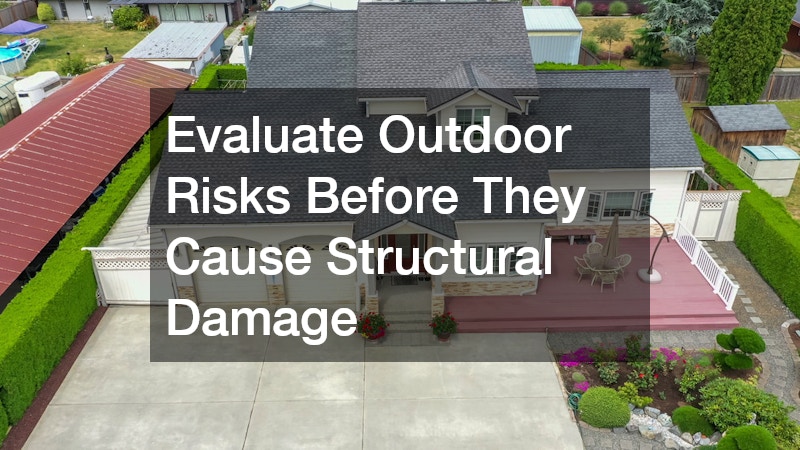
The exterior of a home is constantly exposed to rain, wind, heat, snow, and changing temperatures. Even minor outdoor issues can, if ignored for too long, lead to serious structural damage.
One of the most overlooked hazards around a property is unhealthy or overgrown trees. Large branches hanging above the roof can break during storms, damaging shingles, gutters, siding, and windows. Roots can also interfere with underground plumbing systems, sidewalks, and foundations. In some situations, professional tree removal becomes necessary to protect both the structure and the surrounding landscape.
Homeowners should regularly inspect outdoor areas for warning signs such as:
- Leaning or cracked trees
- Dead branches near the roofline
- Soil erosion around the property
- Standing water after rainfall
- Uneven walkways or driveways
- Drainage problems near the foundation
Water management is another critical part of protecting a home investment. Poor drainage allows moisture to collect around the house’s foundation, increasing the risk of foundation cracks, mold growth, and basement leaks. Gutters and downspouts should direct water several feet away from the structure to reduce long-term damage.
Seasonal yard maintenance also helps preserve curb appeal and safety. Trimming vegetation away from siding, cleaning debris from gutters, and checking outdoor lighting can improve both appearance and functionality. These simple preventive measures often prevent expensive repairs before they occur.
Prevent Moisture Problems From Damaging the Foundation
Moisture intrusion is one of the most destructive issues homeowners face. Small leaks and hidden humidity problems can gradually weaken structural materials, damage flooring, and create conditions for mold growth.
Many warning signs begin subtly. Homeowners may notice musty odors, peeling paint, warped flooring, or small wall cracks before realizing there is a larger problem beneath the surface. Addressing these issues early helps avoid more extensive repairs later.
Professional basement waterproofing is often one of the most effective ways to protect a property from long-term moisture damage. Waterproofing solutions may include sump pumps, drainage systems, vapor barriers, crack sealing, or foundation coatings. These systems help control groundwater and reduce humidity levels in lower living areas.
Signs that moisture issues may already exist include:
- Damp walls or flooring
- Condensation on basement windows
- Mold or mildew growth
- Efflorescence on concrete surfaces
- Persistent humidity indoors
- Water stains near the foundation
Exterior protection is equally important. High-quality siding installation helps shield the home from rain, wind, pests, and temperature fluctuations. Durable siding materials improve insulation while reducing the risk of water penetration behind exterior walls.
To maximize the lifespan of exterior surfaces, homeowners should:
- Inspect caulking and seals annually
- Repair cracks immediately
- Wash siding to remove dirt and mold buildup
- Replace damaged panels quickly
- Keep sprinklers directed away from walls
Preventive care protects not only the structure itself but also the comfort and health of the people living inside the home.
Keep Roofing Systems Reliable Through Every Season
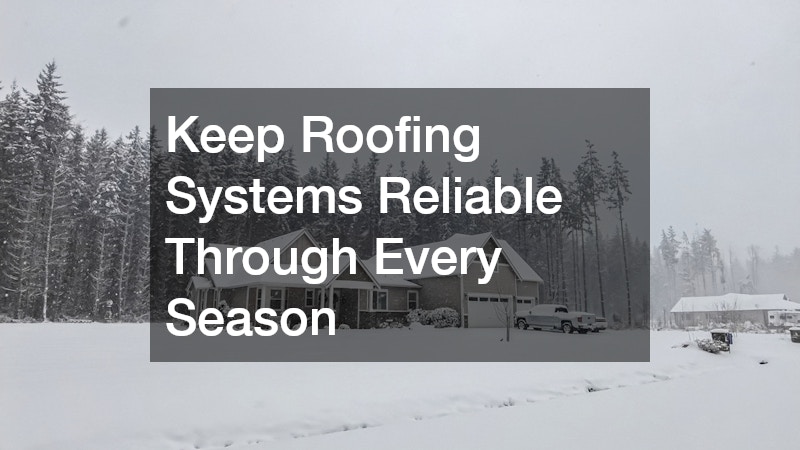
The roof serves as the home’s first line of defense against harsh weather conditions. Unfortunately, roofing problems are often ignored until leaks become severe enough to damage ceilings, insulation, or interior walls.
Routine inspections can identify issues before they escalate. Missing shingles, sagging sections, granule loss, and water stains are all signs that a roofing system may be deteriorating. While minor repairs can temporarily extend the lifespan, there comes a point when roof replacement is the safer and more cost-effective solution.
Delaying necessary roofing work often leads to additional problems, such as:
- Mold growth in attic spaces
- Damaged insulation
- Structural wood rot
- Higher energy bills
- Interior water damage
- Reduced property value
Homeowners should schedule roof inspections after severe storms and at least once each year. Professional assessments help identify hidden weaknesses that may not be apparent on the surface.
In addition to the roof itself, supporting systems should also be maintained regularly. Gutters, flashing, soffits, and attic ventilation all play important roles in moisture control and energy efficiency.
A seasonal roof maintenance checklist may include:
- Clearing leaves and debris from gutters
- Checking for loose flashing around chimneys
- Inspecting attic ventilation
- Looking for signs of leaks indoors
- Removing moss or algae buildup
- Monitoring shingle condition after storms
Proper maintenance extends the lifespan of roofing materials and protects the entire structure below.
Improve Energy Efficiency With Consistent HVAC Maintenance
Heating and cooling systems are essential for maintaining indoor comfort year-round. However, many homeowners neglect HVAC maintenance until systems stop working properly. Regular servicing helps improve efficiency, lower utility costs, and reduce the likelihood of emergency breakdowns.
Scheduling routine ac service before summer arrives allows technicians to inspect refrigerant levels, clean components, and identify worn parts before temperatures rise. Even small airflow issues can force systems to work harder, increasing energy consumption and shortening equipment lifespan.
Common warning signs that cooling systems need attention include:
- Weak airflow from vents
- Unusual noises during operation
- Rising utility bills
- Warm air coming from vents
- Excess indoor humidity
- Frequent system cycling
Cold weather also places heavy demands on heating equipment. Ignoring unusual smells, inconsistent temperatures, or poor airflow may result in costly heating repairs later. Routine inspections help ensure furnaces and heat pumps operate safely and efficiently throughout the winter season.
Homeowners can improve HVAC performance by following a few simple maintenance habits:
- Replace air filters regularly
- Keep vents unobstructed
- Seal air leaks around windows and doors
- Schedule annual inspections
- Clean outdoor condenser units
- Monitor thermostat performance
Energy-efficient systems not only reduce operating costs but also improve overall home value. Buyers are often more attracted to homes with well-maintained HVAC systems because they know future repair risks are lower.
Protect Electrical Systems and Household Safety
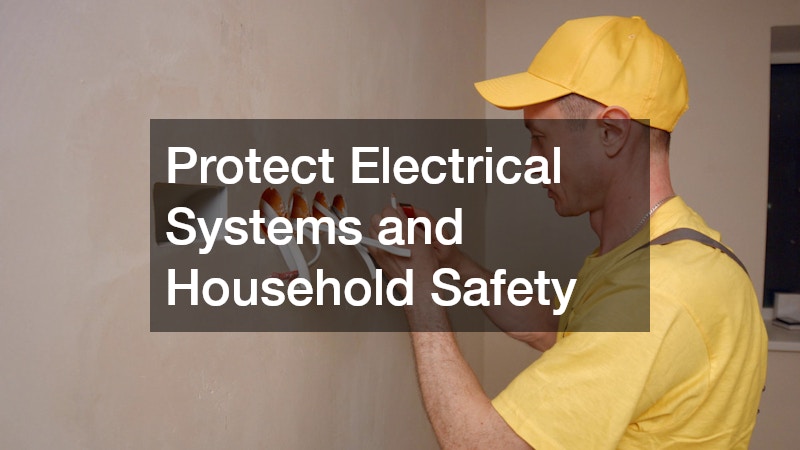
Electrical systems support nearly every aspect of modern living, from lighting and appliances to entertainment systems and home offices. Unfortunately, outdated wiring and overloaded circuits can pose major safety hazards if not properly addressed.
Many homeowners attempt DIY electrical repairs without fully understanding the risks involved. Improper wiring can lead to fires, shocks, or appliance damage. Hiring a licensed electrician ensures that installations and repairs meet current safety standards and building codes.
Warning signs of electrical problems may include:
- Flickering lights
- Frequently tripped breakers
- Burning odors near outlets
- Warm switch plates
- Buzzing sounds from electrical panels
- Sparking outlets
Older homes are especially vulnerable because electrical systems may not have been designed to handle today’s technology demands. Modern appliances, charging stations, and home entertainment systems place significant strain on outdated infrastructure.
Important electrical upgrades may include:
- Panel replacements
- Circuit additions
- Whole-home surge protection
- GFCI outlet installation
- Outdoor lighting improvements
- Smoke detector upgrades
Preventative maintenance and professional inspections help reduce safety risks while improving convenience and reliability throughout the home.
Maintain Exterior Features That Influence Property Value
Outdoor recreational features can significantly enhance a property’s enjoyment and market appeal when properly maintained. However, these additions also require consistent care to prevent safety concerns and expensive repairs.
An in ground pool can increase entertainment opportunities and enhance outdoor living spaces, especially in warmer climates. Well-maintained pools often attract buyers and improve overall property presentation. Poorly maintained pools, however, can quickly become financial liabilities.
To protect both the pool and the surrounding areas, homeowners should focus on:
- Regular water testing
- Proper chemical balancing
- Equipment inspections
- Cleaning debris from filters
- Monitoring water levels
- Inspecting surrounding decking surfaces
Even small issues should be addressed promptly to prevent more serious damage. Delaying pool repair can lead to leaks, damaged pumps, cracked surfaces, or circulation problems that become far more expensive over time.
Signs that professional service may be needed include:
- Cloudy water
- Unusual equipment noises
- Cracks in pool surfaces
- Water loss
- Malfunctioning heaters
- Weak circulation
Safety should remain a top priority around any recreational feature. Installing fencing, slip-resistant surfaces, and proper lighting helps reduce accident risks while protecting the property from liability concerns.
Regular inspections and preventative maintenance preserve both functionality and appearance, ensuring outdoor spaces remain enjoyable for years to come.
Hire Qualified Professionals for Major Home Projects

Choosing the right contractor can make a significant difference in the success and durability of any home improvement project. Poor workmanship often leads to repeated repairs, reduced property value, and homeowner frustration.
Before hiring professionals, homeowners should carefully evaluate experience, licensing, insurance coverage, and customer reviews. Written estimates and detailed contracts help prevent misunderstandings and clarify project expectations.
When comparing contractors, consider asking the following questions:
- How long has the company been operating?
- Are licenses and insurance current?
- What warranties are offered?
- Can references be provided?
- What materials are recommended and why?
- What is the projected timeline?
Experienced siding contractors often provide valuable guidance on material selection, weather resistance, and long-term maintenance planning. Quality exterior work protects the structure from moisture damage while improving curb appeal and energy efficiency.
Homeowners should avoid making decisions based solely on the lowest price. Extremely low bids sometimes indicate substandard materials, rushed labor, or hidden fees that appear later in the project.
Reliable contractors typically offer:
- Clear communication
- Detailed written proposals
- Transparent pricing
- Proper permits when required
- Professional references
- Strong workmanship warranties
Building long-term relationships with trusted service providers makes future maintenance and repairs much easier to manage.
Create a Year-Round Maintenance Strategy
One of the best ways to protect a home investment is to create a structured maintenance schedule. Waiting until problems become emergencies often leads to higher repair costs and unnecessary stress.
A seasonal maintenance plan helps homeowners stay organized and identify small issues before they grow into major expenses. Dividing tasks throughout the year also makes upkeep more manageable.
Spring maintenance tasks may include:
- Inspecting roofing and gutters
- Servicing cooling systems
- Checking outdoor drainage
- Cleaning windows and siding
- Examining foundations for cracks
Summer maintenance may focus on:
- Landscaping and irrigation checks
- Outdoor surface cleaning
- Deck and fence inspections
- Monitoring cooling efficiency
- Pest prevention
Fall preparation often includes:
- Cleaning gutters and downspouts
- Sealing air leaks
- Scheduling heating inspections
- Trimming vegetation
- Testing smoke detectors
Winter maintenance priorities may involve:
- Monitoring indoor humidity
- Preventing frozen pipes
- Inspecting insulation
- Watching for ice dam formation
- Testing backup heating systems
Keeping records of inspections, repairs, and upgrades is equally important. Organized documentation helps homeowners track maintenance history, manage warranties, and provide proof of improvements during resale transactions.
Useful records to maintain include:
- Contractor invoices
- Inspection reports
- Warranty documents
- Appliance manuals
- Insurance information
- Maintenance schedules
Staying proactive helps homeowners budget more effectively and reduces the likelihood of unexpected repair emergencies.
Protecting a home investment requires consistent attention, preventative maintenance, and thoughtful planning. Small issues that seem minor today can eventually lead to costly structural damage, safety concerns, or a decline in property value if ignored for too long.
By focusing on regular inspections, timely repairs, energy efficiency, and professional support when needed, homeowners can preserve both the comfort and long-term value of their property. Exterior care, moisture control, system maintenance, and seasonal upkeep all work together to keep a home functioning properly year after year.
A proactive approach not only saves money over time but also creates a safer, healthier, and more enjoyable living environment. Investing in proper maintenance today helps ensure your property remains a reliable and valuable asset well into the future.