Your roof plays a major role in protecting your home from rain, wind, snow, sunlight, and changing temperatures. Because shingles are constantly exposed to the elements, they gradually wear down over time. Knowing when to replace them can help you address roofing problems before they lead to leaks, damaged insulation, mold growth, or more expensive structural repairs.
Homeowners do not always need to wait for water to start dripping from the ceiling before contacting roofing companies. In many cases, shingles provide visible warning signs that they are approaching the end of their useful life.
Your Shingles Are Reaching the End of Their Expected Lifespan
One of the easiest ways to determine whether your shingles may need replacement is to consider their age. Different roofing materials have different expected lifespans, and factors such as climate, installation quality, ventilation, and maintenance can influence how long they actually last.
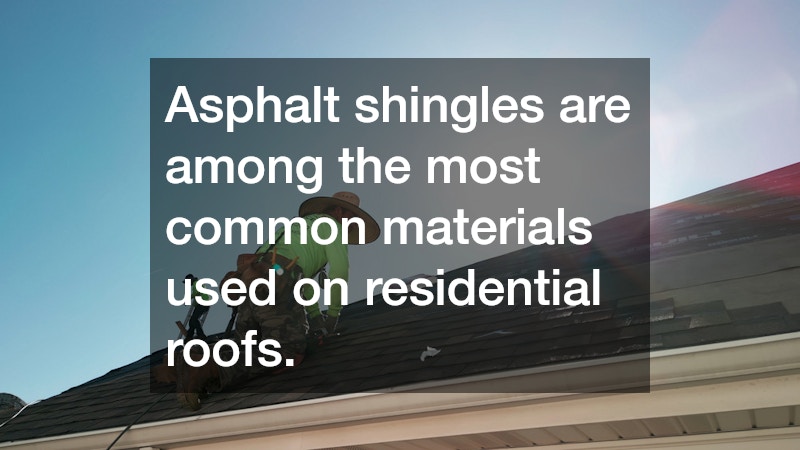
Asphalt shingles are among the most common materials used on residential roofs. Even when a roof still appears relatively normal from the ground, older shingles may become brittle, less resistant to weather, and more susceptible to damage.
If you do not know when your roof was installed, a professional inspection can help estimate its condition. Roofing companies can examine the materials and look for signs of aging that may not be obvious to homeowners.
Shingles Are Curling or Buckling
Shingles should generally lie flat against the roof. When their edges begin curling upward or sections start buckling, it can indicate that the material has deteriorated.
Curling can result from age, prolonged heat exposure, moisture, poor ventilation, or installation problems. Once shingles stop lying flat, wind and water may be able to get underneath them more easily.
A small number of damaged shingles may sometimes be repairable. However, widespread curling across multiple sections of the roof often indicates that replacement should be considered.
You Notice Missing Shingles
Strong winds, severe storms, and aging materials can cause shingles to loosen or disappear completely.
Missing shingles leave portions of the roofing system more exposed to water and weather. Even one missing shingle can create a vulnerable area, particularly if the underlying materials are already worn.
After significant storms, homeowners should visually inspect their roofs from the ground when it is safe to do so. If several shingles are missing, contacting roofing companies for a closer inspection can help determine whether repairs are sufficient or whether broader replacement is necessary.
Granules Are Collecting in Your Gutters
Asphalt shingles are covered with small granules that help protect them from sunlight and weather exposure. Some granule loss is normal, especially when a roof is newly installed, but excessive loss can indicate deterioration.
You might notice granules accumulating in gutters, downspouts, or near the foundation where rainwater exits the drainage system.
Shingles that have lost significant amounts of their protective surface may look patchy or have darker areas. If granule loss appears throughout the roof, the shingles may be nearing the end of their lifespan.
Your Roof Has Frequent Leaks
A single leak does not automatically mean the entire roof needs replacement. Water may enter through damaged flashing, a vent, a small puncture, or a limited section of missing shingles.
Frequent or recurring leaks are more concerning.
If repairs solve one leak only for another to appear somewhere else, the overall roofing system may be deteriorating. Continually paying for small repairs can eventually become less practical than replacing aging shingles.
Professional roofing companies can evaluate the source of leaks and determine whether the problem is isolated or widespread.
Shingles Are Cracked
Cracked shingles can occur because of age, wind, temperature changes, or physical damage. Over time, repeated expansion and contraction can weaken roofing materials.
Small cracks may allow moisture to penetrate below the surface. As damage spreads, the roof becomes increasingly vulnerable during storms.
If only a few shingles are cracked, replacing those specific sections may be possible. Widespread cracking across different areas of the roof generally indicates a larger deterioration problem.
You Can See Sagging Areas
A sagging roof requires immediate attention. Unlike cosmetic shingle wear, sagging may indicate problems with the roof deck, structural supports, trapped moisture, or other components beneath the shingles.
Homeowners should not attempt to climb onto a visibly sagging roof.
Instead, contact a roofing professional to evaluate the area. Depending on the cause, the project may involve more than simply replacing shingles.
Catching structural concerns early can help prevent them from becoming more extensive.
Your Energy Costs Have Increased
Higher heating or cooling bills can have many causes, including HVAC problems, inadequate insulation, air leaks, or changing energy prices. However, roofing issues may also contribute.
A damaged roofing system can allow moisture or outside air to affect the attic and insulation. Poor roof ventilation may also make it more difficult to maintain comfortable indoor temperatures.
If energy costs increase alongside visible roofing problems, an inspection can help determine whether the roof is contributing to the issue.
Your Neighbors Are Replacing Their Roofs
Homes constructed around the same time in the same neighborhood often have roofing materials of similar ages.
If several nearby homeowners have recently hired roofing companies to replace their shingles, it may be worth checking the age and condition of your own roof.
This does not mean you should automatically replace your roof because your neighbors did. Differences in maintenance, sun exposure, tree coverage, storm damage, and installation quality can affect each home differently. However, widespread roof replacement in an older neighborhood can be a useful reminder to schedule an inspection.
Storm Damage Can Require Early Replacement
A relatively young roof can sometimes need replacement after severe weather.
High winds may lift shingles, hail can damage their surfaces, and falling branches can puncture roofing materials. Some storm damage is easy to see, while other problems may be harder to identify from ground level.
After a major storm, consider inspecting the exterior of your home for missing shingles, debris, damaged gutters, or visible impact marks.
A professional inspection may be especially helpful when hail or strong winds have affected the area.
Repairs Are Becoming Too Frequent
Occasional roof repairs are normal, especially as a home ages. However, repeatedly replacing shingles, fixing leaks, and repairing multiple sections can become expensive.
At some point, replacement may offer better long-term value than continuing to repair a roof that is steadily deteriorating.
Keep records of previous roofing work. If repair visits are becoming more frequent, ask contractors to compare the expected cost and lifespan of additional repairs with a full replacement.
Schedule an Inspection Before Problems Become Serious
The best time to replace shingles is often before they fail completely. Waiting until significant water damage appears can increase the scope and cost of the project.
Homeowners should regularly look for curling, cracks, missing shingles, granule loss, leaks, and other signs of deterioration. Periodic professional inspections can also uncover problems that are difficult to see from the ground.
Reputable roofing companies can help determine whether your roof needs minor repairs, partial replacement, or an entirely new shingle system. Taking action at the right time can help protect your home, reduce the risk of interior damage, and keep your roofing system performing effectively for years to come.