Replacing a roof can be one of the larger expenses homeowners face, but there are several ways to make the project more manageable without sacrificing quality. Careful planning, comparing estimates, choosing materials wisely, and addressing problems before they become severe can all help reduce unnecessary costs.
Working with an experienced roof repair contractor can also help you understand which parts of the project are essential and where you may have flexibility. The goal should not simply be to find the cheapest possible option, but to get dependable work at a reasonable overall cost.
Compare Multiple Estimates
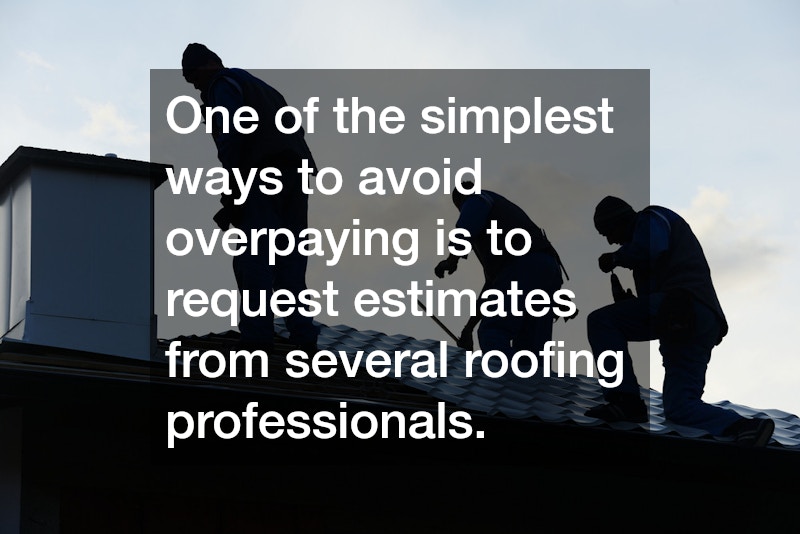
One of the simplest ways to avoid overpaying is to request estimates from several roofing professionals.
Prices can vary based on labor, materials, disposal, warranties, and the contractor’s approach to the project. Comparing multiple estimates can help you understand the typical price range for your roof.
Make sure you are comparing similar scopes of work. One estimate may appear lower because it excludes tear-off, damaged decking replacement, cleanup, or other services.
Ask each roof repair contractor to provide a detailed breakdown so you can see exactly what is included.
Do Not Automatically Choose the Lowest Bid
The lowest estimate is not always the best value.
An unusually low price could mean lower-quality materials, limited warranty coverage, fewer included services, or an incomplete assessment of the work required.
A roof replacement is a long-term investment, so paying slightly more for experienced labor and reliable materials may reduce the likelihood of future repairs.
Look at the contractor’s reputation, experience, insurance, communication, and previous work in addition to price.
Schedule the Project Before the Roof Fails
Waiting until a roof is severely damaged can make replacement more expensive.
A roof that has been leaking for months may have damaged decking, insulation, ceilings, or other materials underneath.
Addressing replacement before widespread water damage occurs can help limit the amount of additional repair work required.
If your roof is aging or showing multiple signs of deterioration, ask a roof repair contractor whether replacement should be planned before the next major storm season.
Consider the Timing of the Project
Roofing demand can change throughout the year.
In some areas, contractors may be especially busy during certain seasons. Scheduling during a less demanding period could potentially provide greater flexibility.
However, homeowners should not delay necessary repairs simply to search for a lower seasonal price.
Weather conditions also matter. Roofing materials must be installed under appropriate conditions, so the best timing depends on your local climate and the type of roof being installed.
Choose Materials Based on Long-Term Value
Roofing materials come in a wide range of prices.
Premium products can increase the upfront cost significantly, but the least expensive option may not always provide the best long-term value.
Consider durability, maintenance requirements, expected lifespan, energy performance, and warranty coverage.
Ask your contractor to explain the differences between available materials and which options are appropriate for your home.
Sometimes choosing a dependable mid-range product provides a better balance between initial price and long-term performance.
Keep the Roof Design Simple When Possible
Complex roofing features can increase labor and material costs.
Roof valleys, dormers, skylights, multiple slopes, and other architectural details may require additional flashing, cutting, and installation time.
If you are replacing an existing roof, you may have limited ability to change its design. However, homeowners planning additions or major renovations can consider roofing complexity during the design stage.
Simpler rooflines are often easier and less expensive to install and maintain.
Ask About Reusing Components
Not every roofing component necessarily needs replacement during every project.
Some flashing, vents, gutters, or other materials may still be in good condition, depending on the roof and applicable installation requirements.
Ask your roof repair contractor which components truly need replacement and which may be reusable.
At the same time, avoid insisting on keeping worn materials simply to reduce costs. Reusing damaged components could create leaks and additional expenses later.
Prepare the Property Yourself
You may be able to reduce some project-related work by preparing the property before contractors arrive.
Move vehicles away from the house, remove outdoor furniture, clear toys and decorations, and provide easy access to work areas.
If contractors spend less time moving obstacles or arranging access, the project may proceed more efficiently.
Ask beforehand what preparation would be helpful so you do not accidentally interfere with the contractor’s setup.
Avoid Unnecessary Upgrades
Roof replacement estimates may include optional upgrades.
Some improvements can provide real value, while others may not be necessary for every property.
Ask the contractor to separate essential work from optional upgrades. This makes it easier to prioritize spending.
For example, you may decide that improved ventilation is important but that a premium designer shingle is not necessary.
Understanding which features are optional helps you control the budget without compromising critical roofing performance.
Address Ventilation at the Same Time
Proper attic ventilation can support roof performance and help manage heat and moisture.
If your current ventilation system is inadequate, addressing it during roof replacement may be more efficient than hiring someone to modify the roof later.
Ask your roof repair contractor to evaluate the existing ventilation system before installation begins.
Spending a little more during the replacement project could help prevent problems that might otherwise lead to additional expenses in the future.
Review Warranty Options Carefully
Roof warranties can vary considerably.
You may receive coverage from the roofing material manufacturer, the contractor, or both.
Do not automatically choose the most expensive warranty package without understanding what it includes.
Ask about coverage periods, exclusions, registration requirements, maintenance obligations, and what happens if a problem develops.
A strong warranty can provide useful protection, but homeowners should understand exactly what they are paying for.
Check Whether Insurance Applies
If your roof requires replacement because of sudden storm damage, homeowners insurance may cover some or all eligible costs depending on the policy and circumstances.
Normal aging and wear are generally treated differently from damage caused by covered events.
Contact your insurance provider if you believe the roof was damaged by wind, hail, falling debris, or another covered event.
A roof repair contractor may be able to document visible damage, but coverage decisions ultimately depend on your policy and insurer.
Avoid Repeated Temporary Repairs
Small repairs can be worthwhile when the overall roof remains in good condition.
However, continuously repairing an aging roof can become expensive.
If you are paying for leaks, missing shingles, damaged flashing, and other problems every year, ask whether those repair costs would be better applied toward replacement.
Keeping records of previous repairs can help you understand how much money has already been invested in the existing roof.
Prevent Surprises With a Thorough Inspection
Unexpected costs often appear when contractors remove old roofing and discover damaged decking underneath.
While not every hidden problem can be identified in advance, a thorough inspection can reduce surprises.
Ask whether the contractor sees signs of moisture damage, sagging, ventilation problems, or structural concerns before work begins.
You should also understand how additional repairs will be priced if hidden damage is discovered.
Ask About Financing Options
If paying the entire project cost upfront would be difficult, ask whether financing is available.
Some roofing companies offer payment plans or work with outside lenders.
Before agreeing to financing, review interest rates, fees, repayment periods, and the total cost over time.
Financing can make a necessary roof replacement more manageable, but homeowners should compare options carefully rather than focusing only on the monthly payment.
Spend Wisely Instead of Cutting Corners
The best way to save on a roof replacement is not necessarily to spend as little as possible.
Poor materials or improper installation can lead to leaks, repairs, and premature replacement, potentially costing more in the long run.
Instead, focus on eliminating unnecessary expenses while protecting the quality of the roofing system.
Compare detailed estimates, plan the project before major damage occurs, choose practical materials, and understand which upgrades provide real value.
An experienced roof repair contractor can help you evaluate your options and develop a replacement plan that balances upfront cost with long-term performance.