
A well-maintained home is more than just visually appealing—it’s safer, more comfortable, and more valuable over time. Many homeowners wait until something breaks before taking action, but this reactive approach often leads to higher costs and more stress. By adopting proactive habits and staying consistent with upkeep, you can prevent major issues before they arise and enjoy a smoother, more efficient living experience.
This guide walks you through practical, actionable strategies to help you take control of your home’s maintenance. From exterior care to internal systems, each section focuses on specific steps you can implement right away to improve your living space and protect your investment.
Create a Seasonal Maintenance Plan That Actually Works
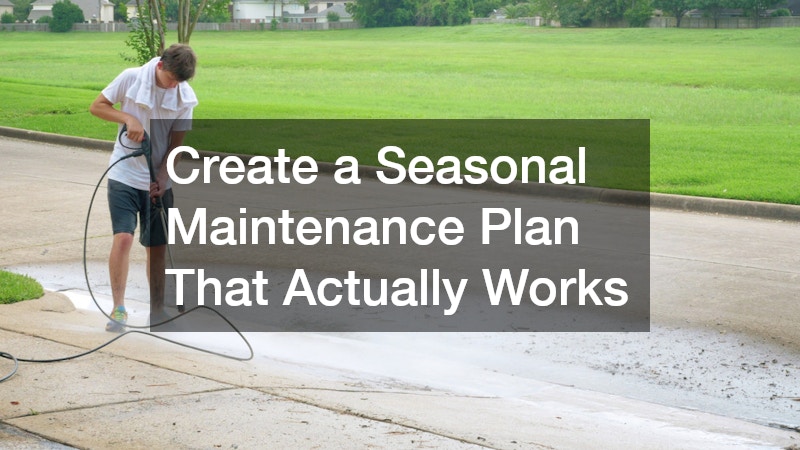
Staying organized is one of the most important aspects of effective home care. A seasonal maintenance plan ensures that nothing falls through the cracks and that your home receives the attention it needs throughout the year.
Start by breaking your tasks into four categories: spring, summer, fall, and winter. Each season presents unique challenges and opportunities for maintenance.
Spring Tasks:
- Inspect your home for damage caused by winter weather
- Clean gutters and downspouts
- Schedule roof estimates to assess any potential issues
- Wash windows and prepare outdoor spaces
Summer Tasks:
- Focus on exterior cleaning and landscaping
- Schedule a pressure washing service for siding, decks, and driveways
- Check for signs of pest activity
- Inspect outdoor plumbing and irrigation systems
Fall Tasks:
- Prepare your home for colder temperatures
- Seal windows and doors to prevent drafts
- Clean gutters again after leaves fall
- Schedule heating system inspections
Winter Tasks:
- Monitor indoor systems closely
- Prevent frozen pipes
- Check insulation and ventilation
- Address any emergency repairs quickly
To make your plan even more effective, consider grouping tasks by priority and time commitment. Some jobs, like inspections or minor cleanups, can be handled in a single afternoon, while others may require professional scheduling or multiple days to complete. Setting realistic timelines helps prevent burnout and ensures consistency throughout the year.
It’s also helpful to create a running checklist that you update annually based on your home’s specific needs. Older homes, for example, may require more frequent inspections, while newer properties might benefit from preventative maintenance to preserve their condition. Keep records of completed tasks, repairs, and service dates so you can track patterns and anticipate future needs.
To stay on track, use a digital calendar or home maintenance app to set reminders. Planning ahead not only saves time but also helps you budget for upcoming services and avoid last-minute stress.
Keep Your Home Exterior Clean and Damage-Free
Your home’s exterior is constantly exposed to the elements, making regular cleaning essential for both aesthetics and structural integrity. Dirt, mold, algae, and debris can accumulate quickly, especially in areas with high humidity or seasonal weather shifts. Over time, these buildups don’t just affect appearance—they can also weaken materials, stain surfaces, and contribute to long-term deterioration if ignored.
One of the simplest yet most effective tasks is scheduling regular window cleaning. Clean windows not only improve curb appeal but also allow more natural light into your home, enhancing your indoor environment. This small improvement can noticeably change how bright and inviting your living spaces feel, while also helping you spot early signs of seal failure or frame damage.
In addition to windows, a pressure washing service can make a dramatic difference in the appearance and longevity of your property. This service removes built-up grime, mildew, and stains from surfaces like:
- Siding
- Driveways
- Walkways
- Decks and patios
When performed correctly, pressure washing restores surfaces without the need for costly replacements or repainting. It also helps prevent slippery buildup on walkways and patios, improving safety for your household and visitors.
Actionable Tips:
- Pressure wash your home at least once a year, or more often if you live in a damp or wooded area
- Pay extra attention to shaded areas where mold and mildew tend to grow faster
- Use appropriate pressure levels to avoid damaging softer materials like wood or older siding
- Clean from top to bottom to ensure debris doesn’t resettle on already cleaned surfaces
- Combine cleaning with a visual inspection for cracks, peeling paint, or early signs of water intrusion
It’s also helpful to inspect landscaping during exterior maintenance. Overgrown bushes or tree branches can trap moisture against your home, increasing the risk of mold or structural wear. Trimming vegetation back creates better airflow and reduces buildup on walls and roofing edges.
Regular exterior maintenance helps prevent costly repairs while keeping your home looking fresh and well cared for.
Prevent Costly Repairs with Routine Roof Inspections
Your roof plays a critical role in protecting your home, yet it’s often overlooked until problems arise. Routine inspections can help you identify issues early and avoid expensive damage that may spread to other parts of the structure. Even small vulnerabilities in roofing materials can allow water intrusion, which can lead to mold growth, insulation damage, and weakened framing over time.
Look for common warning signs such as:
- Missing or damaged shingles
- Water stains on ceilings or upper walls
- Sagging or uneven roof areas
- Granules collecting in gutters
- Rusted flashing or loose sealant around vents and chimneys
It’s also important to pay attention to less obvious indicators, such as increased energy bills, which may suggest heat or air is escaping through compromised roofing sections. Early detection often means the difference between a minor fix and a major structural repair.
When issues are detected early, a simple roof repair may be all that’s needed. However, if the damage is extensive or the roof is nearing the end of its lifespan, a roof replacement might be the more cost-effective option in the long run. In some cases, repeated repairs over time can end up costing more than a full replacement, especially if underlying issues continue to worsen.
Best Practices:
- Inspect your roof at least twice a year, ideally in spring and fall
- Check after major storms, including heavy wind, hail, or snow events
- Document any visible damage with photos to track changes over time
- Use binoculars or a drone for safer visual inspections when possible
- Work with professionals for a thorough assessment, especially for hard-to-reach areas
In addition, keep gutters clean and free of debris, as clogged drainage systems can force water back under shingles and accelerate deterioration. Preventative maintenance like this supports the overall health of your roofing system and reduces the likelihood of emergency repairs.
Staying proactive with roof care ensures your home remains protected from leaks, mold, and structural issues while extending the lifespan of one of your most important investments.
Choose Durable Materials for Long-Term Performance

The materials used in your home significantly impact its durability and maintenance needs. Investing in high-quality options upfront can save you time and money over the years.
When evaluating roofing materials, consider factors such as climate, budget, and expected lifespan. Common options include:
- Asphalt shingles (affordable and widely used)
- Metal roofing (durable and energy-efficient)
- Tile roofing (long-lasting and visually appealing)
Each material has its pros and cons, so it’s important to choose one that aligns with your specific needs.
If you’re planning a roof replacement, take the opportunity to upgrade to materials that offer better performance and energy efficiency.
Tips for Smart Material Selection:
- Research lifespan and maintenance requirements
- Consider energy efficiency benefits
- Factor in installation costs and warranties
- Choose materials suited to your local climate
Making informed decisions about materials can greatly reduce the need for frequent repairs and enhance your home’s overall value.
Maintain Efficient Plumbing Systems Year-Round
Your plumbing system is essential to daily life, and even minor issues can quickly escalate if ignored. Regular maintenance and mindful usage can help keep everything running smoothly.
Simple habits like avoiding grease buildup, using drain screens, and monitoring water pressure can make a big difference. However, some situations require professional expertise.
Contact plumbers when you notice:
- Persistent leaks
- Slow drains
- Unusual noises in pipes
- Sudden drops in water pressure
Water heaters are another critical component. If you experience inconsistent temperatures or rising energy bills, it may be time for water heater repair.
Preventative Steps:
- Flush your water heater annually
- Insulate exposed pipes
- Fix small leaks promptly
- Avoid chemical drain cleaners that can damage pipes
Taking care of your plumbing system not only prevents emergencies but also extends the lifespan of your home’s infrastructure.
Improve Indoor Comfort with Smart HVAC Care
Heating and cooling systems are key to maintaining a comfortable living environment. Proper care ensures efficiency, reduces energy costs, and prevents unexpected breakdowns.
Working with a reputable HVAC company for regular inspections is one of the best ways to keep your system in top condition. Professionals can identify issues early and recommend necessary adjustments.
Routine Maintenance Tips:
- Replace air filters every 1–3 months
- Keep vents and registers clean and unobstructed
- Schedule annual system tune-ups
- Monitor energy usage for unusual spikes
In some cases, heating systems rely on water-based components, making water heater repair an important part of overall system performance.
Additional Tips:
- Use a programmable thermostat to optimize energy use
- Seal ductwork to prevent air leaks
- Ensure proper insulation throughout your home
A well-maintained HVAC system enhances comfort while keeping your energy bills under control.
Protect Your Home from Unwanted Pests
Pests can cause significant damage and pose health risks if not addressed promptly. Prevention is key to keeping your home safe and comfortable.
Start by eliminating common entry points:
- Seal cracks and gaps in walls and foundations
- Install door sweeps and window screens
- Keep food stored in airtight containers
For more persistent issues, professional pest control services can provide targeted solutions and long-term prevention strategies.
Prevention Tips:
- Maintain a clean and clutter-free environment
- Trim vegetation away from your home
- Address moisture issues that attract pests
- Schedule regular inspections
If pest activity coincides with exterior issues, it may also be a good time to evaluate roof estimates to ensure there are no structural vulnerabilities allowing entry.
Taking a proactive approach to pest management helps protect both your home and your health.
Coordinate Professional Services for Maximum Efficiency
Managing multiple aspects of home maintenance can feel overwhelming, but coordinating services can save time and improve results.
For example, scheduling plumbers and an HVAC company around the same time allows for a more comprehensive evaluation of your home’s systems. This approach ensures that potential issues are identified and addressed holistically.
Benefits of Coordination:
- Reduced service costs through bundled appointments
- Fewer disruptions to your daily routine
- Improved communication between professionals
- More accurate assessments of your home’s overall condition
Practical Strategies:
- Create a yearly maintenance calendar
- Work with trusted service providers
- Keep records of past services and repairs
- Plan major projects during off-peak seasons
By organizing your maintenance efforts, you can streamline the process and achieve better outcomes with less stress.
Know When to Repair vs. Replace Major Components
One of the most challenging decisions homeowners face is whether to repair or replace major components. Understanding the factors involved can help you make the right choice.
When considering roof repair versus roof replacement, evaluate:
- Age of the structure
- Extent of the damage
- Cost of repairs compared to replacement
- Long-term benefits and warranties
Guidelines:
- Opt for repairs if damage is minor and localized
- Choose replacement if issues are widespread or recurring
- Consider energy efficiency improvements with new installations
- Factor in future maintenance costs
Making informed decisions ensures that your investment provides lasting value and reduces the likelihood of recurring problems.
Build a Long-Term Home Care Budget and Plan
A solid financial plan is essential for maintaining your home without unnecessary stress. By budgeting for regular maintenance and unexpected repairs, you can stay prepared and avoid financial strain.
Start by estimating costs for essential services like roof estimates and upgrades to roofing materials. Understanding these expenses in advance allows you to allocate funds accordingly.
Budgeting Tips:
- Set aside 1–3% of your home’s value annually for maintenance
- Create an emergency fund for unexpected repairs
- Track all maintenance expenses for future planning
- Prioritize projects based on urgency and impact
Planning Strategies:
- Schedule inspections and services in advance
- Take advantage of seasonal discounts
- Invest in preventative maintenance to reduce long-term costs
- Review your budget regularly and adjust as needed
A proactive financial approach ensures that your home remains in excellent condition while minimizing surprises.
Maintaining a home requires consistent effort, but the rewards are well worth it. By adopting proactive strategies, staying organized, and investing in regular care, you can create a living space that is safe, efficient, and enjoyable year-round.
From exterior upkeep to internal systems, every aspect of your home plays a role in its overall performance. Taking the time to address small issues before they become major problems not only saves money but also provides peace of mind.
With the right approach, you can protect your investment, enhance your quality of life, and ensure your home remains a place of comfort and security for years to come.