Keeping your heating and cooling system in good condition can help improve comfort, reduce the likelihood of unexpected breakdowns, and support efficient operation throughout the year. While some maintenance tasks are simple enough for homeowners to handle, others should be completed by a qualified HVAC contractor.
Regular attention to filters, vents, outdoor equipment, thermostats, and professional tune-ups can help your system perform more reliably through both hot summers and cold winters.
Replace or Clean Air Filters Regularly
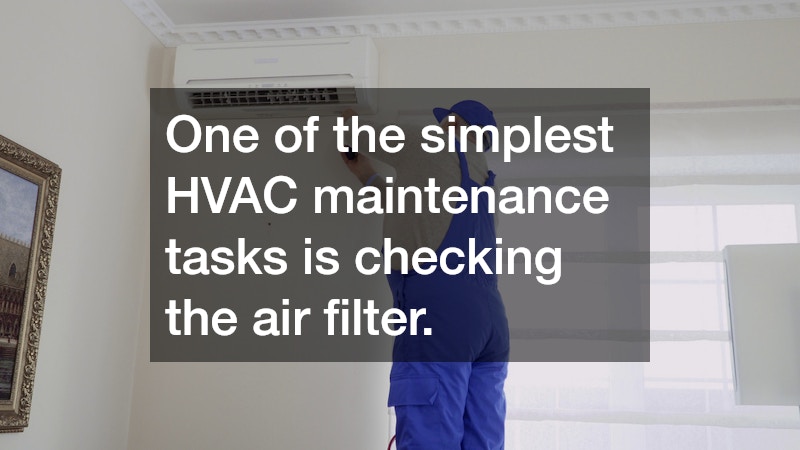
One of the simplest HVAC maintenance tasks is checking the air filter.
A dirty filter can restrict airflow and force the system to work harder than necessary. Over time, this may affect comfort and system performance.
How often a filter needs to be replaced depends on the type of filter, household conditions, pets, and how frequently the HVAC system runs.
Check the manufacturer’s recommendations and inspect the filter periodically. If it looks heavily coated with dust and debris, it may be time for a replacement.
Keep Supply and Return Vents Clear
Furniture, rugs, curtains, and other household items can sometimes block vents without homeowners realizing it.
Blocked supply vents can make it harder for conditioned air to circulate through a room. Return vents also need adequate airflow so the HVAC system can pull air back through the system.
Walk through your home occasionally and make sure vents are open and unobstructed.
If certain rooms still receive very little airflow, an HVAC contractor may need to inspect the ductwork or system for another problem.
Clean Around the Outdoor Unit
If your home has an outdoor air conditioning or heat pump unit, keep the surrounding area clear.
Leaves, weeds, grass clippings, dirt, and other debris can accumulate around the equipment. This can interfere with airflow through the outdoor coil.
Trim vegetation back and remove loose debris from around the unit.
Be careful not to damage the fins, wiring, or other components while cleaning. More extensive coil cleaning should generally be left to a professional.
Pay Attention to Unusual Sounds
HVAC systems normally make some noise, but new or unusually loud sounds may indicate a problem.
Rattling, banging, grinding, squealing, buzzing, or clicking sounds can sometimes signal loose parts, worn components, electrical issues, or airflow problems.
Do not ignore persistent noises simply because the system continues running.
Contacting an HVAC contractor early may help identify a problem before it becomes more serious.
Monitor Your Thermostat
The thermostat plays a major role in how your heating and cooling system operates.
Make sure it is responding correctly and maintaining the temperature you select.
If the temperature inside the home seems significantly different from the thermostat setting, there may be an issue with the thermostat, HVAC equipment, airflow, or insulation.
Programmable and smart thermostats can also help homeowners establish temperature schedules based on when the house is occupied.
Whatever type you use, replace batteries when necessary and make sure the thermostat is not blocked by furniture or exposed to unusual heat sources.
Check for Water Around HVAC Equipment
Moisture around your HVAC equipment should not be ignored.
Air conditioning systems produce condensation during normal operation, but that water should drain properly.
A clogged condensate drain, damaged drain pan, or other problem can allow water to accumulate around the system.
If you notice puddles, water stains, or recurring moisture, have the equipment inspected.
An HVAC contractor can determine whether the issue involves the drainage system or another component.
Keep the Condensate Drain Clear
The condensate drain carries moisture away from your air conditioning system.
Over time, algae, dirt, or debris can contribute to blockages. A clogged line can cause water to back up and potentially leak around the equipment.
Homeowners can periodically inspect accessible portions of the drain for visible problems.
If water is not draining properly or the line repeatedly clogs, professional cleaning may be necessary.
Inspect Ductwork When Accessible
Ductwork carries heated and cooled air throughout your home.
Leaks, disconnected sections, or damaged ducts can reduce airflow and make it harder to maintain consistent temperatures.
If ducts are visible in a basement, attic, or utility area, look for obvious gaps, damage, or disconnected sections.
Avoid making major duct repairs without knowing the appropriate materials and sealing methods. An HVAC contractor can inspect the entire duct system and identify problems that may not be visible.
Watch for Uneven Temperatures
One room being slightly warmer or cooler than another is not always unusual.
However, major temperature differences can indicate airflow problems, duct issues, inadequate insulation, or equipment that is struggling to meet the home’s needs.
If certain rooms suddenly become difficult to heat or cool, check whether vents are blocked.
If the problem continues, schedule an inspection rather than repeatedly adjusting the thermostat.
Schedule Professional Maintenance
Routine professional maintenance is an important part of caring for an HVAC system.
During a service visit, a technician may inspect electrical connections, moving parts, coils, refrigerant-related components, burners, safety controls, drainage, and other system elements depending on the equipment.
The technician can also identify worn parts or developing problems.
Many homeowners schedule maintenance before the cooling season and again before the heating season, particularly when their systems receive heavy use.
Do Not Ignore Higher Energy Bills
Unexpected increases in energy usage can sometimes indicate an HVAC problem.
A dirty filter, blocked airflow, aging equipment, duct leaks, thermostat issues, or mechanical problems can all affect efficiency.
Utility costs can change for many reasons, so one high bill does not automatically mean the HVAC system is failing.
However, a sustained increase combined with longer run times or reduced comfort may be worth investigating.
An HVAC contractor can evaluate system performance and help identify possible causes.
Keep the Area Around Indoor Equipment Clear
Furnaces, air handlers, and other HVAC components need adequate space around them.
Avoid storing boxes, cleaning supplies, clothing, or other items directly against the equipment.
Keeping the area clear makes it easier for technicians to access the system and may reduce safety concerns around certain heating equipment.
Homeowners should especially avoid storing flammable materials near furnaces or other heat-producing appliances.
Learn the Signs of Short Cycling
Short cycling occurs when an HVAC system turns on and off repeatedly without completing normal heating or cooling cycles.
This can be caused by several issues, including thermostat problems, restricted airflow, equipment sizing concerns, or mechanical failures.
Frequent cycling can increase wear on the system and may prevent the home from reaching a comfortable temperature.
If you notice the system starting and stopping unusually often, have it inspected.
Change Maintenance Habits With the Seasons
HVAC needs can change throughout the year.
Before summer, check the outdoor unit, replace dirty filters, and make sure the cooling system is operating properly.
Before winter, test the heating system early rather than waiting for the first very cold day.
Scheduling service before periods of extreme weather gives you more time to address problems if repairs are needed.
An HVAC contractor can also recommend seasonal maintenance based on your specific equipment.
Do Not Attempt Complicated Repairs Yourself
Homeowners can handle basic tasks such as replacing filters and keeping equipment clear of debris, but many HVAC repairs require specialized knowledge.
Electrical systems, refrigerants, gas connections, burners, motors, and internal components can create safety risks when handled incorrectly.
Attempting a complicated repair without proper training may also cause additional damage.
If the problem goes beyond routine maintenance, calling a qualified professional is usually the safer option.
Keep Records of Maintenance and Repairs
Maintain a simple record of filter changes, professional tune-ups, repairs, and major component replacements.
These records can help you track recurring problems and understand how frequently the system requires attention.
They may also be useful when deciding whether an older system should continue to be repaired or eventually replaced.
Keep warranty paperwork and equipment manuals with these records when possible.
Consistent Maintenance Can Protect Your HVAC Investment
HVAC maintenance does not need to be complicated. Simple habits such as replacing filters, keeping vents clear, monitoring unusual sounds, and removing debris around outdoor equipment can help support normal operation.
Professional inspections are also valuable because technicians can access and test components that homeowners cannot easily evaluate.
Working with an experienced HVAC contractor for routine maintenance and necessary repairs can help you keep your heating and cooling system operating reliably, improve household comfort, and catch potential problems before they lead to unexpected breakdowns.