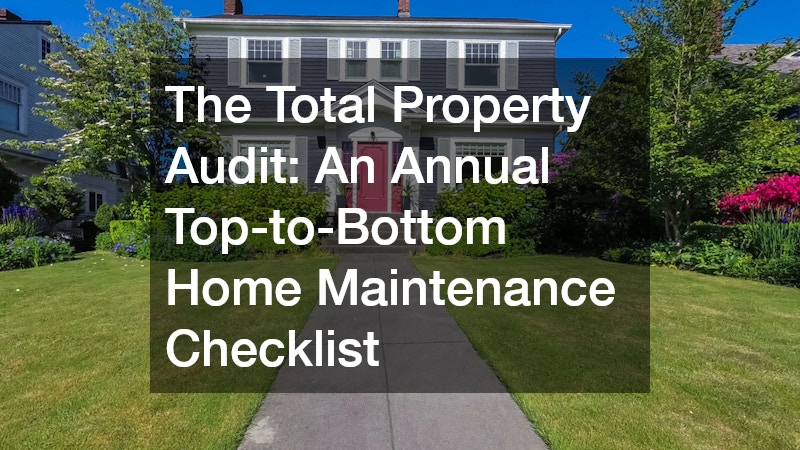
Owning a home remains one of the most significant investments an individual can make. While the initial purchase brings a sense of accomplishment, the ongoing responsibility of property preservation requires continuous attention and deliberate action to prevent long-term degradation. A house functions much like a complex organism, where various interconnected systems rely on each other to maintain structural integrity and comfort. When one component suffers from neglect, a domino effect often follows, turning minor issues into expensive emergencies that could have been easily averted. Implementing a structured property audit allows homeowners to stay ahead of these challenges. By systematically reviewing every element of a property on an annual basis, individuals can protect their equity, ensure safety, and avoid the stress of sudden mechanical or structural breakdowns.
A comprehensive home checkup goes far beyond a cursory glance at the walls or a quick walk through the yard. It involves a detailed, methodical inspection of the exterior envelope, the mechanical infrastructure, and the interior finishes. Many property owners make the mistake of addressing maintenance only when something stops working. However, the most successful property management strategy relies on preventative care and routine vigilance rather than crisis management. Catching a small leak or a minor structural shift early can save thousands of dollars over time. This top-to-bottom guide breaks down the essential components of an annual property audit, providing a clear roadmap for keeping a residential property in peak condition year after year. Through careful planning and timely professional intervention, maintaining a safe, efficient, and beautiful home becomes a manageable routine rather than a series of stressful crises. Taking the time to examine the property systematically guarantees that no hidden vulnerabilities go unnoticed during the changing seasons.
Protecting the Overhead Shield: Roofing and Water Management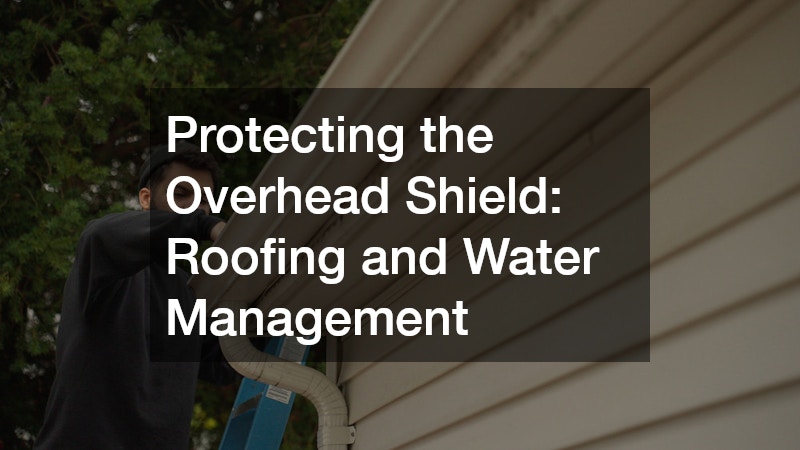
The roof and drainage systems form the primary shield against environmental elements. Heavy rain, snow, wind, and intense sunlight constantly challenge the upper boundary of a home. Over twelve months, shingles can loosen, flashing can pull away from chimneys, and protective granules can wash away. An annual visual inspection from the ground or using binoculars can reveal early warning signs of deterioration, such as cracked seals or sun-damaged materials. If sagging sections, moss growth, or missing pieces become visible, hiring a certified roofer becomes a pressing priority. A professional can safely scale the structure, evaluate the underlying underlayment, and patch vulnerable spots before moisture penetrates the attic space and ruins the insulation underneath.
Water management does not stop at the roofline. Once the rain clears the shingles, it must be directed away from the house to prevent foundation issues. Clogged, cracked, or improperly pitched gutters can cause water to overflow, cascading down the siding and pooling around the basement walls. During the annual audit, clearing leaves and testing the flow of downspouts is essential to guarantee unrestricted drainage paths. If the troughs show signs of rust, persistent leaks, or structural sagging that cleaning cannot fix, contacting professional gutter installers is the most effective solution. Modern seamless systems can handle heavy downpours, ensuring that water moves efficiently away from the structural perimeter. Investing in professional installation guarantees that the water management network can withstand extreme weather events without failing. By keeping these upper systems functioning properly, property owners mitigate the risks of wood rot, mold cultivation, and foundation cracking, preserving the home from the top down.
Securing the Perimeter: Driveways and Entry Points
Moving from the roof down to the ground level, the exterior audit should focus on the pathways and main access points of the property. The driveway takes a substantial beating from vehicle weight, fluctuating temperatures, and chemical spills like engine oil. Over time, moisture can seep into tiny cracks, freeze during cold weather, and cause the pavement to break apart or sink. Homeowners should inspect these hardscape surfaces for deep fractures, potholes, or uneven slabs that pose tripping hazards, especially after severe winter weather cycles. When extensive wear becomes apparent, consulting an experienced asphalt driveway company can restore the surface through sealing or resurfacing. A well-maintained driveway not only improves curb appeal but also prevents water from undermining the underlying soil structure near the home.
Adjacent to the driveway, the garage serves as both a primary entry point and a secure storage zone. The garage door is often the largest and heaviest moving object in a residential building, operating under high tension. During the yearly checklist, owners ought to test the balance of the door, listen for unusual grinding noises, and check the condition of the cables and tracks. Springs can become brittle over time, and a sudden failure can cause property damage or severe injury. Scheduling professional garage door repairs ensures that the mechanical components, sensors, and openers function reliably and safely. Addressing minor tracking misalignments or worn rollers promptly extends the operational lifespan of the entire system, minimizing unexpected operational failures. Regular lubrication and professional adjustments keep the mechanism smooth, preventing the motor from burning out prematurely under unnecessary strain.
Managing Core Utilities: Power and Climate Control
A thorough property audit must evaluate the internal mechanisms that keep a household safe and comfortable. The electrical system requires careful scrutiny, as hidden faults can present serious fire hazards. Property owners should check for frequently tripping breakers, warm outlet covers, or flickering lights that suggest underlying issues. Upgrading appliances or adding modern electronics can strain older electrical panels. Engaging licensed electricians to perform a comprehensive safety inspection ensures that the wiring meets current building codes and can handle the household electrical load. These experts can identify loose connections, replace outdated outlets with ground-fault circuit interrupters, and ground the entire system properly, ensuring optimal electrical safety, to protect sensitive electronics from unexpected power surges.
Alongside power distribution, climate control remains a primary factor in daily comfort and monthly utility expenses. Heating and cooling systems work hard throughout the changing seasons, accumulating dust and experiencing mechanical wear. Homeowners can perform simple tasks like replacing air filters monthly, but an annual audit demands a deeper technical review. Securing professional HVAC services ensures that technicians clean the internal coils, check refrigerant levels, calibrate thermostats, and inspect heat exchangers for dangerous cracks. A well-tuned climate control system operates with maximum energy efficiency, reducing monthly utility bills while maintaining steady airflow throughout the rooms, and preventing sudden breakdowns during peak summer heat waves or freezing winter nights. Regular maintenance also improves indoor air quality by reducing the circulation of airborne dust and allergens throughout the living spaces. Taking care of these primary mechanical units prolongs their usefulness, deferring the significant capital expense of a total system replacement for several years.
Underground Infrastructure: Water and Waste Lines
Water infrastructure represents another critical zone within the annual property audit. The visible fixtures, such as faucets, showerheads, and valves beneath sinks, should be checked for slow drips or mineral buildup. Even a minor leak can waste hundreds of gallons of water over a year and cause silent damage to surrounding cabinetry or subflooring material. Homeowners should also monitor water pressure, as sudden drops can indicate a hidden pipe fracture inside the walls. For comprehensive diagnostic checks and complex pipe replacements, relying on experienced plumbers is the best course of action. Professional intervention ensures that pipe connections remain secure, water heaters operate safely, and pressure-regulating valves function within normal parameters, protecting the entire plumbing network from high-pressure stress.
Beyond the clean water supply lies the waste management system, which operates out of sight beneath the ground. Over time, main sewer lines can become obstructed by invasive tree roots, accumulated grease, or structural sagging caused by shifting soil. Slow drains across multiple sinks or persistent sewer odors in the yard are classic warning signs of a failing main line. Utilizing a professional sewer line repair service can identify the exact location and nature of an underground blockage using advanced camera inspections. Addressing these subterranean issues quickly prevents catastrophic backups that can ruin basements and lead to foul indoor odors, which create hazardous living conditions. Modern trenchless repair methods can often fix these pipes with minimal disruption to lawns, driveways, and landscaping, restoring proper waste flow efficiently. Maintaining clear subterranean conduits ensures that the entire waste removal system operates seamlessly, keeping the home sanitary and safe for all residents.
Preserving Interior Living Spaces: Flooring Longevity
The final phase of the property audit turns inward, focusing on the surfaces that experience daily foot traffic and structural loads. Floors bear the brunt of domestic life, making them susceptible to wear, moisture damage, and structural settling. Homeowners should walk across all rooms, listening for unusual squeaks, checking for warped wooden planks, and looking for cracked tiles. Spongy spots near bathrooms or kitchens often signal past or present water exposure that has compromised the subfloor. Initiating timely floor damage repair prevents structural issues from spreading to joists and walls. Fixing these issues early ensures that the walking surfaces remain level, stable, and safe for every family member, while preserving the underlying framework of the home from progressive decay.
In addition to hard surfaces, textile floor coverings require targeted attention during the annual inspection. Carpets trap dust, pet dander, pollen, and deep-seated dirt that standard vacuuming cannot remove. Over time, these embedded particles act like sandpaper, grinding down carpet fibers and shortening the lifespan of the material. Scheduling a professional carpet cleaning service once a year revitalizes the appearance of the fabric, eliminates deep odors, and sanitizes the living space. High-powered extraction equipment removes contaminants that compromise indoor air quality, creating a fresher living space and making the home healthier for children and individuals with respiratory sensitivities. Combining structural repairs with deep cleaning ensures that the interior environment remains beautiful, comfortable, and structurally sound for the long term. Proper floor maintenance also preserves property value, making the home far more appealing to future buyers if the owner ever decides to sell.
Organizing the Audit Documentation and Budgeting
Completing a physical inspection of the property represents only half the battle; documenting the findings is equally important. Homeowners should maintain a dedicated home maintenance journal or digital spreadsheet to track the condition of every system. Recording the dates of inspections, notes on minor wear, and the contact information of trusted service providers streamlines future maintenance tasks, making it incredibly simple to track ongoing repairs. This record-keeping practice proves invaluable when planning annual household budgets, as it allows owners to anticipate upcoming replacement costs rather than facing unexpected financial strain. Additionally, a detailed maintenance history serves as a powerful asset during future real estate transactions, demonstrating to prospective buyers that the property has received meticulous care.
A well-organized budget should allocate funds specifically for preventative maintenance and minor upgrades. Instead of waiting for systems to fail completely, setting aside a small percentage of the home value each year ensures that resources are available when an audit reveals a necessary fix. Prioritizing repairs based on safety and structural impact prevents minor issues from escalating into structural failures. For instance, addressing an exterior leak or an electrical anomaly takes precedence over purely cosmetic updates. This strategic mindset alleviates the chaotic rush that usually accompanies residential structural failures. By managing property care with a business-like approach, homeowners can protect their primary financial asset while eliminating unnecessary stress and ensuring a safer, more reliable living environment.
The Long-Term Rewards of Diligence
An annual top-to-bottom property audit requires time, effort, and organizational discipline, but the long-term rewards far outweigh the investment. By shifting from a reactive mindset to a proactive approach, homeowners can maintain the structural integrity, safety, and aesthetic appeal of their residences for decades. Regular inspections minimize the risk of catastrophic failures, optimize the energy efficiency of mechanical systems, and preserve interior finishes from premature degradation, ensuring long-term peace of mind.
Ultimately, a consistent maintenance routine fosters a deep sense of pride and security, transforming a house into a resilient, enduring sanctuary for the family. Property values appreciate more reliably when consistent stewardship prevents minor depreciation. Staying dedicated to this annual checklist ensures that the property remains a source of comfort and wealth accumulation for many years to come.