Every homeowner has a running list of dreams for their property, from a remodeled kitchen to a lush backyard retreat, but turning that list into reality without draining your savings takes strategy. The trick isn’t choosing between your priorities and your budget, it’s learning how to sequence projects, research providers, and separate must-haves from nice-to-haves. This guide walks through the major categories most wishlists include and shows you how to plan for each one realistically. By the end, you’ll have a framework for building your own property wishlist that stays grounded in what you can actually afford.
Start With a Master List and Rank Every Project
Before you call anyone or price out materials, sit down and write out every improvement you have ever thought about for your property. Include everything from small fixes to major additions—a leaky faucet, a cracked driveway, a dream outdoor kitchen, a finished basement, new windows—because the goal at this stage is to capture the full scope of your ambitions before you start narrowing things down. Aim for at least 20 to 30 items; most homeowners are surprised by how long the list gets once they walk through each room and around the exterior with fresh eyes. Once the list exists, sort each item into categories like safety and function, comfort and lifestyle, and pure aesthetics. Safety and function covers things like a failing roof, outdated electrical panels, or drainage issues that could cause structural damage if ignored. Comfort and lifestyle includes upgrades like a better layout, added storage, or a more usable outdoor living space. Pure aesthetics covers cosmetic changes—paint colors, hardware swaps, landscaping accents—that improve how the home looks and feels but carry no urgency. Within each category, add a rough sense of scale by tagging projects as small, medium, or large based on estimated cost and time. This second layer of sorting matters because a $300 fix and a $30,000 renovation can both land in the “safety and function” bucket but require very different planning horizons. This ranking exercise reveals which projects deserve your budget first and which ones can wait a year or two, giving you a realistic roadmap instead of a scattered wish list.
Before you can rank anything, get every project onto a single master list — the leaky gutter, the dream kitchen island, the cracked driveway, the new patio. Keeping it all in one place, rather than scattered across notes and mental to-do lists, is what makes real prioritization possible. A helpful way to rank items is to sort each one into a category: does it protect your home’s structure, save you money long term, or simply make life more enjoyable? A roof repair or foundation crack falls into the first bucket. Upgrading old insulation or replacing a failing HVAC system falls into the second, since it lowers monthly bills and prevents bigger repairs later. A new backsplash or landscaping refresh falls into the third — nice to have, but not urgent. Structural and mechanical needs almost always outrank cosmetic wants, even if the cosmetic project feels more exciting. A $400 fix for a slow plumbing leak now can prevent a $10,000 mold remediation job in two years, while a beautiful new deck does nothing to stop water from getting into your basement. When in doubt, ask which project would cause the most damage or expense if ignored for another year. Writing this down also helps you avoid impulse spending on trendy upgrades that do not actually align with your long-term goals for the property. It’s easy to fall for a viral kitchen trend or a neighbor’s new fence, but a written list forces you to compare that impulse against your actual priorities. Try scoring each item on a simple 1-5 scale for urgency, cost, and impact — the projects with the highest combined scores should move to the top of your budget planning.
- Separate your list into must-do, should-do, and want-to-do columns, then assign each item a rough dollar range so priorities and costs are visible side by side
- Note the estimated lifespan remaining on major systems like the roof (20-25 years for asphalt shingles), furnace (15-20 years), and water heater (8-12 years)
- Flag any items that affect safety or could cause damage if delayed, such as electrical panel issues, foundation cracks, or active roof leaks
- Add a rough timeline column noting whether each project is a this-year, next-year, or someday task
- Revisit the list every six months as priorities and budgets shift, updating cost estimates since material and labor prices change quickly
- Cross off or downgrade items once cosmetic wants start competing with functional needs for the same dollars
Budget for Major Structural Repairs Before Cosmetic Upgrades
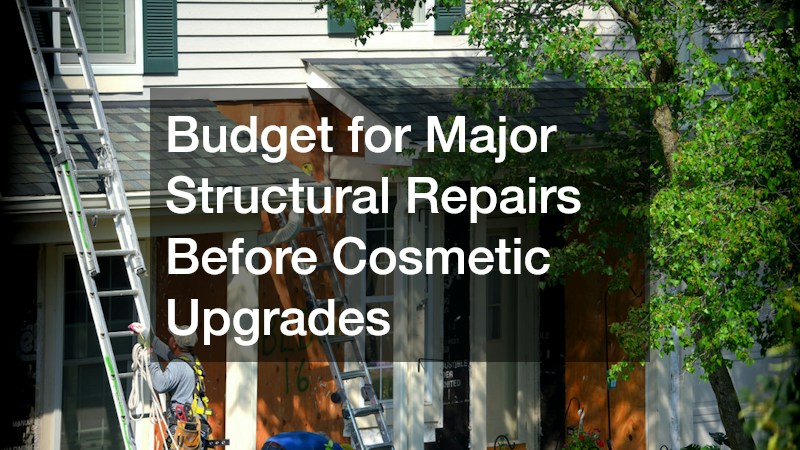 It is tempting to jump straight to the fun stuff, but a wishlist built without accounting for your home’s bones can backfire quickly. If your roof is nearing the end of its life or showing signs of wear, that repair needs to sit near the top of your list regardless of how much you want new landscaping. Getting quotes from a few established roofing companies early in your planning process gives you a realistic number to build your overall budget around.
Roofers typically offer free inspections, and having one done even if you are not ready to commit to a project gives you a clearer timeline for when the work will actually become urgent. This information lets you plan your spending in phases rather than being caught off guard by a leak or collapse later. Structural issues tend to get more expensive the longer they are ignored, so treating them as a priority actually protects the rest of your wishlist.
Plan Ahead for Heating and Cooling System Needs

HVAC systems are one of the biggest hidden costs of homeownership, and they rarely fail at a convenient time. If your system is more than twelve to fifteen years old, it is worth budgeting for a replacement rather than assuming repairs will keep it running indefinitely. Scheduling routine HVAC service twice a year, once before summer and once before winter, can extend the life of your equipment and help you catch small problems before they become expensive emergencies.
When your furnace does need attention, comparing a few furnace repair companies before committing to one can save you a significant amount of money. Prices and warranty terms vary widely, and a second opinion often reveals whether a repair is truly necessary or if a full replacement makes more financial sense. Building a small cushion into your annual budget specifically for heating and cooling keeps this category from derailing your other property goals.
- Ask for written estimates that break down labor and parts separately
- Check whether a maintenance plan is available to reduce future service costs
- Confirm the warranty length on any new equipment before installation
- Ask about energy efficiency ratings, since a more efficient unit can lower monthly bills
Address Plumbing Needs Before They Become Emergencies
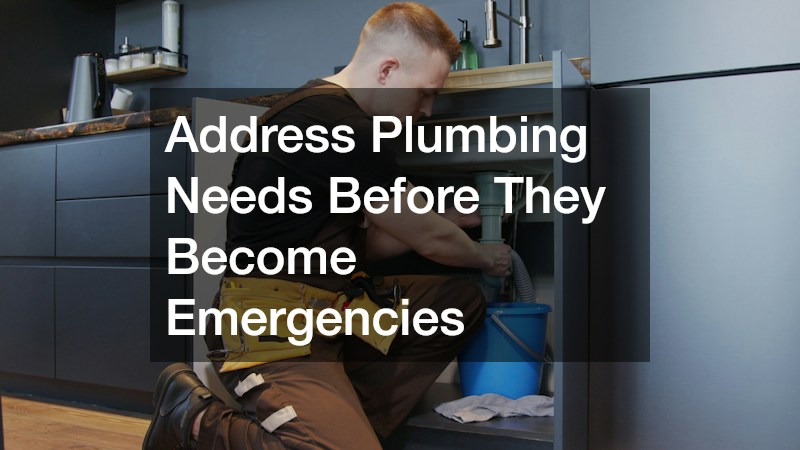
Plumbing problems have a way of hiding until they become disasters, which makes them a category worth budgeting for proactively rather than reactively. If your home has older pipes, frequent clogs, or water pressure issues, it is worth having a plumbing company do a full inspection before you commit money to unrelated upgrades elsewhere on your list. Catching a slow leak early can save you from replacing flooring, drywall, or cabinetry down the road.
Many homeowners also add water quality improvements to their wishlist once they learn more about what is actually running through their pipes. Hiring a water filtration system installer to test your water and recommend a system suited to your household’s needs is a relatively affordable way to improve daily life without a major renovation. This kind of upgrade often ranks higher in value per dollar spent compared to purely cosmetic projects.
Prioritize Kitchen Updates That Add Real Value
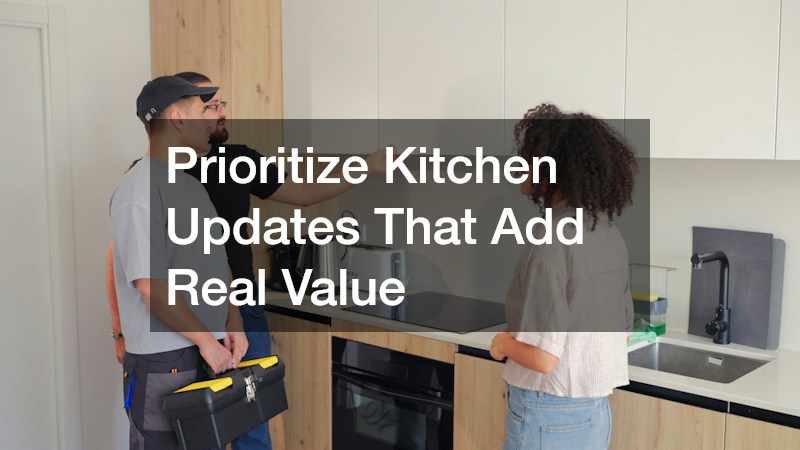
The kitchen is usually at the top of most property wishlists, and for good reason since it tends to offer strong returns on investment when done thoughtfully. Rather than gutting the entire room, consider which elements actually need replacing versus refreshing. Refacing or repainting existing kitchen cabinets, for example, can dramatically change the look of the space for a fraction of the cost of a full replacement.
If your cabinets are structurally sound but visually dated, this middle ground option lets you redirect savings toward other wishlist items. When a full renovation is truly necessary, working with a designer or contractor who understands your budget constraints from the start prevents scope creep. Kitchens are notorious for budget overruns, so setting a firm ceiling before demolition begins is essential.
- Get at least three quotes before committing to a full kitchen remodel
- Consider keeping the existing layout to avoid costly plumbing and electrical changes
- Ask whether cabinet refacing is a viable option for your current setup
- Set aside a contingency fund of at least ten percent for unexpected discoveries
Create Functional Entry Spaces That Reduce Clutter
Entryways and mudrooms are often overlooked on wishlists, yet they make a noticeable difference in daily household organization. Adding mudroom cabinets near a side or back entrance gives every family member a dedicated spot for shoes, coats, and bags, which cuts down on clutter throughout the rest of the house. This is a project that can often be completed in a weekend or two, making it a great candidate for a smaller budget line item.
Because this type of project is relatively contained, it is a good one to tackle while you save toward larger renovations elsewhere. Many homeowners find that even simple built in storage solutions make a bigger daily impact than they expected. It is a practical example of how smaller wishlist items can deliver outsized satisfaction for the money spent.
Consider Whether a Larger Renovation or New Build Makes Sense
For some homeowners, the wishlist grows so large that it becomes more cost effective to consider a significant addition or even starting fresh on a new lot. If you are exploring this route, researching home construction companies in your area early gives you a realistic sense of timelines, permitting requirements, and cost per square foot. This is a much bigger financial decision than a single room remodel, so it deserves its own separate savings plan and timeline.
Comparing multiple builders and asking to see completed projects similar in scope to what you envision helps set realistic expectations. It also gives you leverage to negotiate pricing and understand what is actually included in a base quote versus what counts as an upgrade. Treating this as its own project, rather than folding it into your general wishlist budget, keeps your overall plan from becoming unmanageable.
Improve Outdoor Spaces With Low Cost Landscaping Choices
Landscaping tends to sit lower on most wishlists, but it is also one of the more flexible categories when it comes to controlling cost. Simple choices like using bark dust in garden beds instead of more expensive mulch alternatives can freshen up your yard’s appearance while staying well within a modest budget. This kind of update also helps with weed control and moisture retention, giving it practical value beyond just curb appeal.
Outdoor projects are also a good place to phase your spending, tackling one section of the yard per season rather than trying to overhaul everything at once. This approach spreads costs over time and lets you see how earlier changes hold up before investing further. It also gives you flexibility to adjust your plans as your taste or budget shifts.
- Compare bulk pricing on materials if you are covering a large area
- Consider drought tolerant plants to reduce long term watering costs
- Tackle one zone of the yard per season to spread out expenses
- Reuse existing hardscaping like pathways or retaining walls where possible
Set a Realistic Savings Timeline for Every Wishlist Item
Once your list is ranked and you have gathered rough pricing for each category, the final step is assigning a realistic timeline to each project. Some items, like a furnace replacement, may need to happen within the year, while others, like a kitchen remodel, can be planned two or three years out. Writing target dates next to each wishlist item turns a vague dream into an actionable financial plan.
It also helps to build in a small buffer for inflation and material cost increases, since prices rarely go down between now and when you are ready to start. Revisiting your timeline annually keeps it realistic as your income, family needs, and home’s condition change. This ongoing adjustment is what separates a wishlist that actually gets completed from one that stays a permanent list of good intentions.
Building a whole property wishlist is less about dreaming big and more about sequencing wisely, so structural needs, mechanical systems, and safety concerns come before purely cosmetic upgrades. Take the time to rank your list, gather real quotes, and assign honest timelines to each item so your budget stretches as far as possible. Start with whichever project feels most urgent today, and let the rest of your list unfold naturally as you save and plan. Your property’s transformation does not have to happen all at once to feel meaningful.