Key Takeaways
- A structured 30-day planning window prevents impulse spending and gives you time to compare materials, labor, and financing options
- Setting a firm total cap and a 15-20% contingency fund protects you from mid-project surprises that derail smaller budgets
- Walking through your home with a notepad and ranking fixes by urgency keeps you focused on changes that add real daily value
- Cosmetic updates like paint, hardware, lighting, and refinishing deliver the highest visual payoff for the lowest cost
- Knowing which tasks you can realistically DIY and which require licensed trades saves money without sacrificing safety
- Sourcing materials from salvage shops, outlet sections, and end-of-season sales can cut product costs by a third or more
- A written weekly schedule with checkpoints turns a vague wish list into a project you actually finish
Why 30 Days of Planning Beats Jumping In
Most failed renovations fail before a single tool comes out of the box. Homeowners get excited, order materials, demo a wall on Saturday, and by Wednesday they’re staring at a half-finished room wondering where the money went. A short planning sprint fixes that.
Thirty days gives you enough time to measure twice, price three times, and still move with momentum. It’s long enough to catch sales cycles at big-box stores, short enough that you won’t lose motivation. Think of it as a runway, not a delay.
According to the Harvard Joint Center for Housing Studies, Americans spent roughly 509 billion dollars on renovation and repair work in 2025, with forecasts pointing to around 518 billion by the close of 2026. That’s a massive market, which means plenty of competition for your dollar. Taking time to plan lets you shop that competition instead of accepting the first quote.
Week One: Audit Your Home and Set a Real Number

The first seven days are about honesty. Walk through every room with a notebook and write down what bothers you, what’s broken, and what simply looks tired. Don’t filter yet. Just capture.
Then rank each item on a scale of one to five based on how much it affects your daily life. A dripping faucet you hear every night scores higher than a dated light fixture in the guest room. This ranking becomes your priority spine for the whole project.
Now set your number. Not your dream number, your real one. Check your savings, your available credit, and what you can add from monthly income over the project timeline. The Houzz & Home Study found that the median planned renovation spend in 2026 is $15,000, down from $20,000 the year before. Homeowners are tightening up, and that’s a smart cue to follow.
Building Your Contingency Buffer
Set aside 15 to 20 percent of your total budget before you plan anything else. This is not optional money. It’s the fund that covers the rotten subfloor you discover under the vinyl, the outlet that won’t pass inspection, or the paint color that looked right in the store and wrong on the wall.
If your working budget is $10,000, carve $1,500 to $2,000 off the top and pretend it doesn’t exist. Only touch it for genuine surprises, not for upgrades you talked yourself into mid-project.
Week Two: Map Rooms to Impact
Days eight through fourteen are about matching priorities to spaces. Not every room deserves equal attention. The kitchen and primary bathroom return the most perceived value, followed by the main living area and curb appeal.
Pick one focus room and one secondary room for the project. Spreading cash across five rooms produces five mediocre results. Concentrating on two produces two rooms you’ll actually enjoy.
Here are the highest-impact low-cost moves to consider for each space:
- Paint walls, ceilings, and trim in modern neutrals
- Swap cabinet hardware, door handles, and switch plates
- Replace dated light fixtures with current styles
- Refinish rather than replace floors, cabinets, or tubs
- Update faucets, showerheads, and drain covers
- Add or upgrade trim, baseboards, and crown molding
These are the classic home remodeling ideas on a budget that deliver visible change without structural work. Each one can be done in a weekend, and most cost under $300 per room in materials.
Week Three: Price, Source, and Decide What You’ll DIY
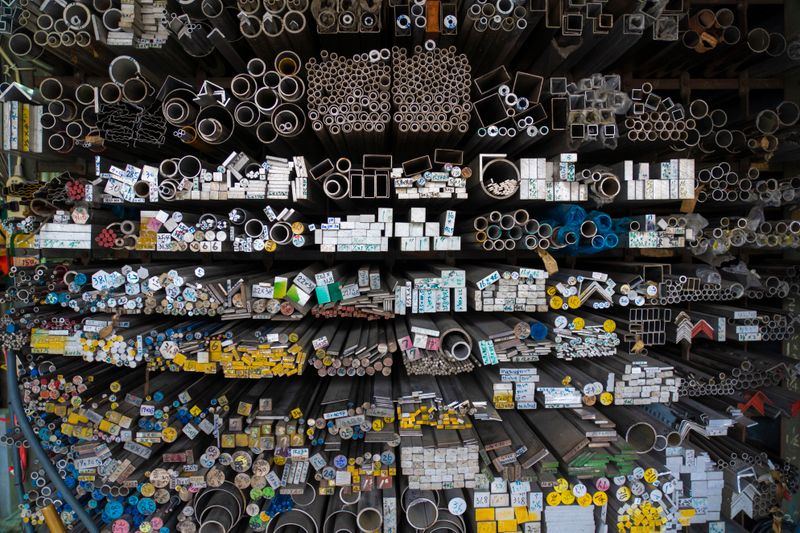
Now you shop. Not to buy, to compare. Spend this week pricing every item on your list across at least three sources: a big-box store, a specialty retailer, and a salvage or outlet option. Write the numbers down. Patterns will emerge fast.
Habitat for Humanity ReStores, architectural salvage yards, and the clearance aisles at major retailers can cut material costs significantly. End-of-season sales on tile, flooring, and outdoor materials often hit 40 to 60 percent off. If your timeline allows, wait for them.
Honest DIY Boundaries
Doing it yourself saves labor costs, which usually account for 40 to 60 percent of a project. But the savings vanish fast if you have to hire someone to fix your mistake. Be brutally honest about your skill level.
Painting, installing hardware, assembling flat-pack cabinets, and basic tile backsplashes are reasonable weekend projects for most people. Electrical panel work, gas lines, structural changes, and anything involving permits usually aren’t. There’s a solid list of projects to leave to pros that’s worth reading before you commit to a DIY path you’ll regret.
Tasks that generally pay off to DIY:
- Interior painting and prep work
- Demo of non-structural elements
- Installing shelving, mirrors, and curtain rods
- Swapping out plumbing fixtures with existing shutoffs
- Landscaping and basic exterior cleanup
- Cabinet painting and hardware updates
Week Four: Build the Schedule and Lock Quotes
The final week turns your plan into a calendar. Open a simple spreadsheet or use a free project app. List every task, assign a day, and note what has to happen before each one can start. Demo comes before prep. Prep comes before paint. Paint comes before hardware.
If you’re hiring any trades, this is when you get three written quotes, check licenses, and read recent reviews. Never pay more than a modest deposit up front. A reasonable split is 10 percent to start, 40 percent at mid-project, and 50 percent on completion. Get the payment schedule in writing along with the scope.
According to Angi’s 2025 data cited by AmeriSave, the average full renovation for a home between 1,250 and 1,600 square feet ran about $52,275. That’s a full gut, not a budget refresh, but it shows how fast things escalate when scope creeps. Your schedule is what keeps scope in check.
Before you sign anything, confirm these details for each contractor:
- Current state license and insurance certificate
- Written scope of work with materials specified
- Start date and realistic completion date
- Payment schedule tied to milestones
- Warranty terms on labor and materials
- Cleanup and disposal responsibilities
Smart Sourcing Tricks That Stretch Every Dollar
Once your schedule is locked, revisit your shopping list with fresh eyes. The difference between paying retail and paying smart often comes down to timing and location rather than negotiation skills.
Floor model appliances carry full warranties and routinely sell for 20 to 35 percent below sticker. Cabinet showrooms rotate displays every six to twelve months and offload the old ones at steep discounts. Call ahead and ask when the next rotation happens. Tile stores do the same with discontinued runs, which is perfect if you only need enough for a backsplash or small bathroom floor.
Facebook Marketplace and estate sales are underrated sources for solid wood doors, light fixtures, and even unused building materials left over from other projects. A homeowner who overbought quartz remnant for an island will often sell the extra slab for a fraction of what a fabricator charges.
Timing Your Purchases Around Sales Cycles
Retailers follow predictable patterns, and matching your purchase dates to those patterns compounds savings across the whole project.
- Appliances hit their lowest prices in late September, around Black Friday, and in May during Memorial Day events
- Paint goes on sale around Memorial Day, Fourth of July, and Labor Day weekends
- Flooring and tile clearances peak in January and July as stores reset inventory
- Outdoor materials, decking, and patio items drop hard in late August and September
- Tools follow Father’s Day, Black Friday, and post-Christmas markdowns
If your timeline is flexible, stagger your purchases to catch at least two of these windows. A single well-timed appliance buy can fund an entire room of cosmetic work.
Keeping Momentum Through the Build
Planning is the hard part, but execution tests your patience. Short daily sessions beat weekend marathons for most people. Ninety focused minutes after work moves the project forward without burning you out or costing you a Saturday with the family.
Keep a running punch list on the fridge or a shared note. Cross items off as you finish them. The visible progress matters more than you’d think, especially around day eighteen or nineteen when the novelty has worn off, and the finish line still feels distant.
If a trade falls behind or a material ships late, adjust the calendar rather than the scope. Adding “just one more thing” while you’re already in motion is how three-week projects become three-month projects. Write the new idea on a future list and keep moving.
Conclusion
A tight budget is not a limitation. It’s a filter that forces better decisions, cleaner priorities, and a sharper eye for what actually improves how you live in your house. Thirty days of planning gives you the structure to make those decisions without pressure, and the result is a project that stays in your lane financially while still feeling like a genuine transformation.
The homeowners who finish on time and under budget are rarely the ones with the most money or the most skill. They’re the ones who wrote things down, waited for the right prices, and matched their ambitions to their actual free time. That discipline is available to anyone willing to spend a month with a notebook before spending a dollar on materials.
Pick your start date, open a fresh page, and begin the audit tomorrow. By this time next month, you’ll have a plan sharp enough to execute, a budget you trust, and a clear view of the rooms that are about to look very different.