
Homeownership often comes with the desire to transform an existing property into a personalized sanctuary that reflects modern aesthetics, improves daily functionality, and builds substantial long-term equity. Undertaking a comprehensive property transformation requires careful financial planning, a clear understanding of labor and material expenses, and a strategic view of prospective resale values. While piecemeal updates address immediate repairs, coordinated home renovations allow property owners to streamline construction schedules, consolidate contractor fees, and establish a unified aesthetic across every room.
Evaluating return on investment involves balancing personal lifestyle improvements against financial recovery at the time of sale. Market conditions, geographic location, and project scope heavily influence how much spent capital is recovered. Certain structural and visual updates generate impressive equity boosts, whereas highly customized choices might offer lower monetary returns despite high personal satisfaction. Successfully managing a major overhaul demands deep research into local neighborhood benchmarks, realistic contingency reserves, and expert advice. Partnering with established home improvement services ensures that structural modifications meet local building codes, trade coordination runs smoothly, and finished work stands up to years of daily use. Before tearing down walls or ordering custom fixtures, property owners should examine how each specific project contributes to overall property value, operational efficiency, and overall marketability.
Kitchen Transformation: Maximizing Functionality and Equity
The kitchen remains the central hub of daily life and one of the strongest drivers of residential property value. Real estate experts consistently note that buyers focus heavily on kitchen design and efficiency when evaluating potential properties. A full kitchen remodel costs between thirty thousand and seventy-five thousand dollars, depending on square footage, appliance tier, and structural alterations. Minor kitchen updates often recoup around seventy to seventy-five percent of their cost, while major luxury overhauls recover roughly fifty-five to sixty-five percent.
Storage solutions form the foundation of an efficient and attractive kitchen layout. Stock cabinets may save money upfront, but tailored storage systems maximize available space and offer superior durability over time. Contracting a specialized custom cabinet company allows homeowners to design vertical pull-outs, integrated pantry systems, and durable solid-wood frames built precisely to the room’s dimensions. Quality cabinetry eliminates wasted corner space and provides smooth, soft-close hardware that buyers instantly notice during walkthroughs.
Surfacing choices also play a pivotal role in visual appeal and long-term durability. Natural stone options like marble or granite have traditionally dominated high-end builds, but engineered alternatives have rapidly gained market share. Installing a premium quartz countertop provides an elegant, non-porous surface that resists staining, scratching, and heat without requiring annual sealing. This low-maintenance option appeals directly to modern buyers seeking a polished appearance paired with effortless upkeep.
Bathroom Revamps: Elevating Comfort and Modern Appeal

Bathrooms represent critical spaces where functional necessity meets personal comfort. Updating outdated plumbing, cramped layouts, and worn tile can dramatically elevate both daily living standards and market value. An average bathroom remodeling project ranges from fifteen thousand to forty thousand dollars, with high-end primary suite expansions reaching sixty thousand dollars or more. Standard bathroom updates generally recoup between fifty-five and sixty-five percent of construction costs upon resale.
Complex plumbing moves, waterproofing systems, and custom tile work demand specialized technical knowledge. Engaging experienced bathroom remodeling companies guarantees proper moisture mitigation, drainage pitch, and compliance with local plumbing codes. Professional contractors handle ventilation calculations to prevent mold growth, install curbless shower pans safely, and ensure electrical connections near water sources adhere to strict safety standards. Choosing qualified specialists prevents costly water damage repairs that frequently arise from amateur DIY attempts.
Flooring transitions throughout adjacent hallways and bedrooms also impact the cohesive feel of a home renovation. While tile remains the gold standard for wet zones inside the bathroom itself, continuous flooring running up to the bathroom threshold creates a fluid design aesthetic. Selecting professional hardwood floor installations for adjoining master bedrooms and corridors brings warmth, timeless character, and high longevity to the home interior. Genuine hardwood can be refinished multiple times over its lifetime, making it an exceptional long-term investment that pairs beautifully with modern bathroom tile transitions.
Basement Conversions: Unlocking Lower-Level Square Footage
Finishing an unfinished basement is one of the most effective ways to add functional living space to a residential structure without expanding the building’s physical footprint. Converting a dark, underutilized lower level into an entertainment center, guest suite, home office, or fitness room significantly increases usable square footage. On average, basement finishing costs between thirty and seventy-five dollars per square foot, with total project budgets typically falling between thirty-five thousand and eighty thousand dollars. The financial return on a finished basement generally averages sixty to seventy percent of total construction costs.
Navigating lower-level construction requires addressing environmental and structural factors unique to below-grade spaces. Moisture control, egress window requirements, ceiling height clearances, and insulation values must be meticulously managed before installing drywall or flooring. Working with a skilled basement remodeler ensures that subterranean moisture barriers are installed correctly and that HVAC ductwork is properly configured to handle temperature regulation in low-light zones. Professional contractors understand how to seal foundation walls, install sump pump systems, and manage subfloor prep so finished surfaces remain dry and structural frames remain protected for decades.
Beyond technical mechanics, careful space planning determines how successfully a lower level functions. Open-concept floor plans with dedicated zones for media viewing, guest accommodations, and storage closets offer maximum flexibility. Incorporating recessed lighting fixtures combats natural light limitations, while light-colored wall paint creates a sense of airiness.
Exterior Overhauls: Protection, Insulation, and Curb Appeal
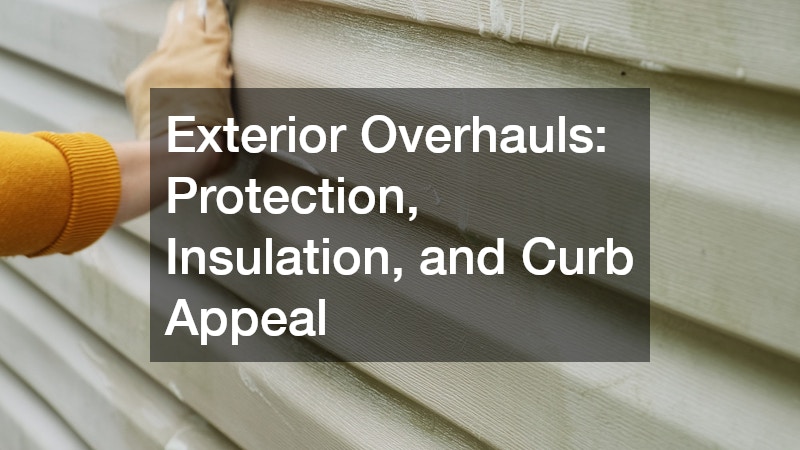
A property’s exterior serves as its primary defense against weather elements while establishing immediate visual curb appeal. Neglecting exterior maintenance can lead to structural deterioration, water intrusion, and reduced energy efficiency. Investing in high-performance exterior upgrades yields some of the highest ROI figures across all residential improvement categories, often recovering seventy to eighty-five percent of project expenses at resale.
Replacing worn exterior cladding is a major priority for maintaining building envelope integrity. Scheduling professional siding installation using fiber cement or high-grade vinyl dramatically enhances curb appeal while bolstering thermal insulation values. Fiber cement siding offers superior fire resistance, termite protection, and durability against harsh freeze-thaw cycles. Modern vinyl siding options incorporate insulated backing to reduce heat transfer through wall studs. Both materials come in a wide range of colors and textures that mimic natural wood without demanding constant painting or staining.
Water management systems are equally vital for protecting new exterior siding and underlying structural foundations. Clogged or overflowing roof gutters allow rainwater to run down exterior walls, causing paint peeling, wood rot, and basement water intrusion. Hiring a qualified gutter guard installer prevents leaves, pine needles, and debris from blocking gutter channels. Premium micro-mesh gutter protection systems allow heavy rain to pass through while shedding organic debris naturally. This simple upgrade eliminates dangerous ladder work, prevents water pooling along foundation perimeter soils, and extends the operational lifespan of the entire drainage system.
Outdoor Living Spaces and Landscaping Dynamics
Outdoor living areas have evolved from secondary considerations into primary extension zones of the residential footprint. Homeowners increasingly seek functional outdoor spaces that support dining, relaxing, and entertaining during favorable weather months. Well-designed exterior environments improve overall quality of life while creating favorable first impressions that attract buyers during property tours.
Investing in professional landscaping services allows property owners to create structured outdoor zones that blend hardscape features with vibrant plant life. Professional landscape architects analyze soil conditions, drainage patterns, sun exposure, and local climate zones to select native plants that thrive with minimal water usage. Incorporating stone pavers, retaining walls, decorative walkways, and ambient landscape lighting structures the yard into usable outdoor rooms. A thoughtful combination of structural hardscaping and lush softscaping can yield ROI returns between fifty-five and seventy percent, depending on regional market expectations.
Patio installations, composite decking, and outdoor kitchen setups further enhance the utility of backyards. Composite decking materials offer high resistance to fading, warping, and splintering, eliminating the need for annual staining. Fire pits and built-in seating areas extend outdoor usability into cooler autumn evenings. Strategic tree placement provides natural shade during hot summer months, reducing cooling loads on home HVAC systems.
Sequenced Execution and Project Management Strategy
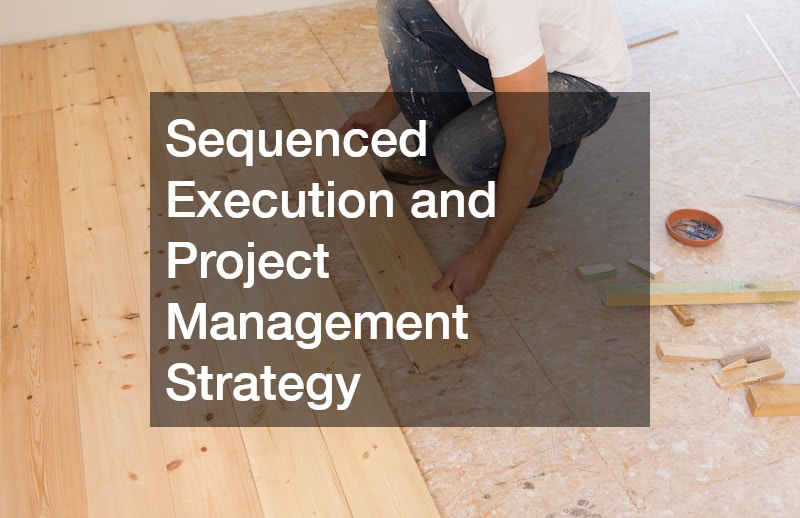
Executing a large-scale renovation project requires strict adherence to proper construction sequencing. Attempting to complete decorative surface work before addressing core mechanical systems often leads to ruined finishes and expensive rework. Structural repairs, roofing fixes, and exterior envelope sealing must always precede interior framing, electrical rough-ins, and plumbing installation. Once interior trade work passes municipal inspections, drywall, painting, and major surfacing can proceed in an orderly fashion.
Managing complex project phases demands active communication between property owners, general contractors, and trade specialists. Establishing a clear timeline with defined milestones helps keep trades on schedule and prevents costly delay overlap. Homeowners should insist on detailed written contracts that outline material specifications, payment schedules, warranty coverage, and change-order procedures. Utilizing licensed tradespeople for structural work provides essential protection against liability and ensures that work complies with current building codes.
Creating a realistic budget buffer is equally crucial for long-term project success. Renovation experts recommend setting aside a contingency fund of fifteen to twenty percent above estimated construction costs. Unforeseen structural issues, outdated wiring hidden behind plaster, or unexpected plumbing corrosion can quickly consume reserves. A healthy financial cushion prevents project halts and allows construction to progress smoothly when unexpected challenges arise during demolition.
Strategic ROI Optimization and Financial Planning
Maximizing the financial return on major property investments requires a clear understanding of neighborhood standards and buyer preferences. Over-improving a home beyond surrounding property values can cap ROI, as buyers in specific price brackets may not pay a premium for hyper-luxurious finishes. Conversely, under-investing in key functional rooms can leave a property lagging behind competing listings on the local real estate market.
When selecting trade partners for interior spaces, evaluating work history and specialized credentials is key. Vetting contractors thoroughly guarantees high-grade craftsmanship in high-moisture environments. Similarly, evaluating joinery standards guarantees durable storage configurations that withstand daily family use. Investing in quality craftsmanship for these heavily utilized spaces creates lasting durability that maintains value long after initial construction finishes.
Financing options for large-scale property updates range from cash reserves and home equity loans to cash-out refinances and specialized renovation mortgages. Home equity lines of credit offer flexible draw periods, making them popular for multi-phase projects. Comparing interest rates, closing costs, and tax implications helps homeowners choose the optimal funding mechanism for their specific financial situation. Aligning smart financing strategies with high-return improvement projects builds equity efficiently while minimizing borrowing expenses.
Additionally, obtaining multiple detailed quotes from qualified trade contractors provides valuable cost clarity. Comparing itemized bids allows homeowners to evaluate material quality, labor rates, and project timelines accurately. Choosing contractors strictly on the lowest bid can often lead to hidden costs or substandard workmanship down the road, making transparent communication and verified client reviews critical selection criteria.
Long-Term Maintenance and Value Preservation

Protecting the value created through residential remodeling requires consistent long-term maintenance habits. High-quality materials and modern installations significantly lower ongoing upkeep, but routine care remains essential to preserve capital investments. Establishing a regular maintenance schedule prevents premature wear and keeps surfaces looking brand new for years.
Interior surfaces require gentle cleaning solutions to preserve their factory finish and prevent dulling. Avoiding harsh chemical cleaners or abrasive pads maintains surface integrity over decades. Likewise, maintaining proper indoor humidity levels protects wood flooring from excessive expansion, contraction, or gapping during seasonal climate changes. Using protective pads beneath heavy furniture legs and cleaning spills immediately preserves protective coatings and extends time between refinishing cycles.
Exterior maintenance is equally crucial for protecting structural health. Inspecting roof lines, drainage paths, and wall cladding after major storms helps catch minor damage before water can penetrate the building envelope. Keeping sealants fresh around window frames and exterior doors maintains high energy efficiency and prevents moisture infiltration. By pairing high-grade renovation materials with attentive ongoing care, homeowners safeguard their property value, minimize emergency repair costs, and enjoy a high standard of living for decades.
Seasonal inspections form the backbone of sound property stewardship. Checking foundation perimeters for cracks, verifying that outdoor drainage slopes away from walls, and inspecting attic spaces for moisture signs after winter freezes ensures that small maintenance tasks do not escalate into expensive structural repairs.
Synthesizing Project Value and Equity Growth
A whole-home transformation represents a major financial commitment, but when executed with strategic foresight, it pays substantial dividends in both daily living quality and future equity. Balancing high-impact aesthetic updates with essential structural systems ensures that a home remains comfortable, efficient, and visually attractive over time.
Ultimately, successful residential remodeling relies on a clear vision, realistic financial allocations, and uncompromised execution quality. By making informed material choices, respecting structural priorities, and coordinating with qualified professionals, property owners protect their investments against market volatility. Through disciplined budgeting, thorough planning, and partnerships with skilled tradespeople, homeowners can confidently transform their living spaces into resilient, high-value assets that provide lasting enjoyment and exceptional financial returns.